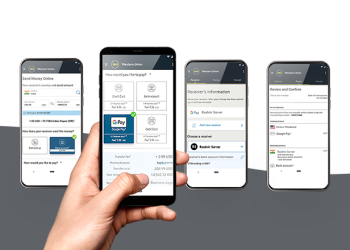
A Major Shift for the Regional Fuel Retail Industry
Pesapal and KCB have announced a strategic partnership aimed at transforming fuel station operations across East Africa. This collaboration supports the region’s growing need for digital payment systems, automated management tools and integrated business solutions. For many years, fuel stations across Kenya, Uganda, Tanzania and Rwanda have relied on manual processes for payments, reporting, pump control and stock management. Pesapal’s entry into the sector through a structured partnership with one of the region’s largest banks positions the fuel retail industry for rapid digital modernisation.
The partnership aligns with broader economic and technological shifts taking place across East Africa, where governments and industries are embracing digital infrastructure. With rising mobile-money penetration, contactless payments and increasing demand for transparency, fuel retailers face strong pressure to modernise. The involvement of KCB adds financial strength, scale and trust to the implementation process, accelerating adoption among both small and large fuel dealers.
How the Partnership Works
The agreement allows fuel stations to integrate Pesapal’s software solutions with KCB’s financial services to create a seamless digital ecosystem. Pesapal provides fuel management systems, payment devices, digital receipts, pump-control technology and real-time reporting tools. KCB supports the programme through financing options, settlement services, business banking products and onboarding support for retailers. This model empowers fuel station owners to digitise all core operations without facing the usual financial and technical obstacles associated with major technological upgrades.
Because KCB has a broad footprint across East Africa, the initiative benefits from extensive distribution channels. Fuel retailers can access both software support and financial advisory from a unified platform, reducing onboarding time and implementation challenges.
Why Digitisation Matters for Fuel Stations
Fuel retailing is one of the most operationally intensive businesses in the region. Stations manage daily cashflows, large workforce teams, fluctuating pump volumes, stock variations and compliance requirements. Manual systems often expose businesses to revenue leakages, inaccurate reporting and slow reconciliation. Digitisation resolves these issues through centralised dashboards, automated pump readings, sales tracking and instant settlement options. Digital integration also lowers administrative costs, improves accountability and ensures faster decision-making.
For consumers, the system introduces greater convenience. Buyers can pay through cards, mobile wallets or contactless systems. They receive digital receipts and enjoy faster service at the pump. These changes enhance customer experience and promote trust in fuel pricing transparency.
Technology at the Heart of the Partnership
Pesapal’s flagship solutions include point-of-sale devices, pump-control software, automated end-of-day reports, remote monitoring tools and cloud-based dashboards. These systems integrate with station hardware, allowing owners to monitor transactions live from any location. Through digital controls, station operators can track fuel usage, detect anomalies and monitor staff behaviour in real time.
The partnership also supports advanced inventory management. Stations can track fuel stock across underground tanks, anticipate shortages, forecast demand and reduce the risk of fraud. Data analytics tools highlight sales trends, peak hours, customer purchasing patterns and branch performance. For fleet clients, Pesapal enables pre-paid corporate cards, fuel vouchers and controlled spending limits.
Benefits for Small and Medium Fuel Retailers
Small fuel retailers frequently struggle with capital limitations, outdated infrastructure and manual accounting processes. Through KCB’s support, these businesses can access financing for digital equipment, station renovation, asset upgrading and operational improvements. Digital systems increase efficiency, reduce cash risk and support expansion. Additionally, the integration enables owners to meet government compliance rules, tax records and environmental standards with better accuracy.
In markets where competition among fuel brands continues to grow, digitisation offers small retailers a chance to compete more effectively. Faster service, improved accuracy and modern technology help smaller stations attract a broader customer base.
Fuel Retailers Embrace a New Digital Culture
Fuel dealers across Kenya, Uganda and Tanzania increasingly understand the value of digital tools. Rising fuel prices, strict regulatory frameworks and fast-changing consumer preferences make digital management essential. Pesapal and KCB’s partnership accelerates this cultural transition by providing an easy path toward technology adoption. Retailers benefit from lower operational stress, automated records and improved customer experiences. The partnership also supports multi-branch operations, allowing regional chains to manage all their locations uniformly.
Regional Economic Implications
East Africa’s fuel sector plays a major role in transport, logistics, trade and national revenue. With the new digitisation wave, the sector gains stronger operational integrity and improved tax compliance. Governments benefit from more transparent transactional records, while fuel companies enjoy streamlined operations. Improved station efficiency supports the growth of logistics networks, fleet managers and regional trade corridors. As more stations digitise, the economic ripple effects extend across supply chains and related industries.
Opportunities for Innovation
The collaboration opens possibilities for future digital services. These may include loyalty systems, automated pricing, IoT-enabled pump sensors, digital fleet management, subscription-based fuel purchasing and integrated insurance products. KCB and Pesapal may also explore partnerships with oil marketing companies, logistics operators and energy-transition programmes supporting electric vehicle charging points. As the region shifts toward cleaner energy solutions, fuel stations will need even more technology integration.
Challenges Ahead
Despite the positive outlook, challenges remain. Some rural stations lack sufficient internet connectivity. Others have limited technical skills among staff, creating barriers to new technology adoption. Upfront investment in devices and training may be difficult for small operators without financing. Additionally, resistance to change may slow adoption among retailers accustomed to manual systems. However, with time, training and market pressure, the benefits of digitisation are expected to outweigh the initial barriers.
A Transformative Partnership for East Africa
The partnership between Pesapal and KCB marks a milestone for digital transformation in East Africa’s fuel retail sector. It promises real-time transparency, smoother operations and safer financial management. The region’s fuel stations stand to gain better efficiency, stronger customer trust and improved profitability. As digitisation spreads, East Africa is set to become a leading example of how technology can modernise traditional industries and support economic development.