

Football is more than a sport in Africa — it is a social fabric that unites nations, sparks political conversations, and drives infrastructure development. In the past two decades, African nations have invested billions in world-class football stadiums, transforming their cities into sporting and tourism hubs. These stadiums are symbols of pride, ambition, and modernity, blending African culture with global architectural trends.
Here’s a deep dive into the most expensive football stadiums in Africa, exploring their costs, features, and the legacy they carry.
1. Cape Town Stadium – South Africa
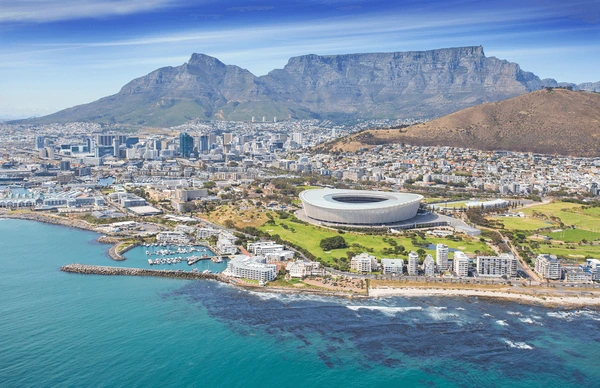
- Location: Cape Town
- Year Opened: 2009
- Cost: Approx. $600 million
- Capacity: 55,000
Why It Was Built
Cape Town Stadium was constructed for the 2010 FIFA World Cup, which marked the first time the tournament was hosted on African soil. South Africa wanted a global icon to showcase its natural beauty, and Cape Town provided the perfect canvas.
Architecture & Design
The stadium’s translucent façade blends into the backdrop of Table Mountain and the Atlantic Ocean. Nicknamed the “Glass Bowl,” its roof is made of fiberglass mesh, filtering sunlight and providing natural ventilation.
Financing & Controversy
Funded by the South African government, the $600 million price tag sparked debate over whether taxpayers would benefit. Critics argued it was too costly, while supporters viewed it as a legacy project.
Legacy & Events
It hosted eight World Cup games, including a semi-final. Today, it is home to Cape Town City FC and hosts rugby, concerts (U2, Justin Bieber), and tourism events. Its design and location make it one of the most expensive — and breathtaking — stadiums in Africa.
2. FNB Stadium (Soccer City) – South Africa
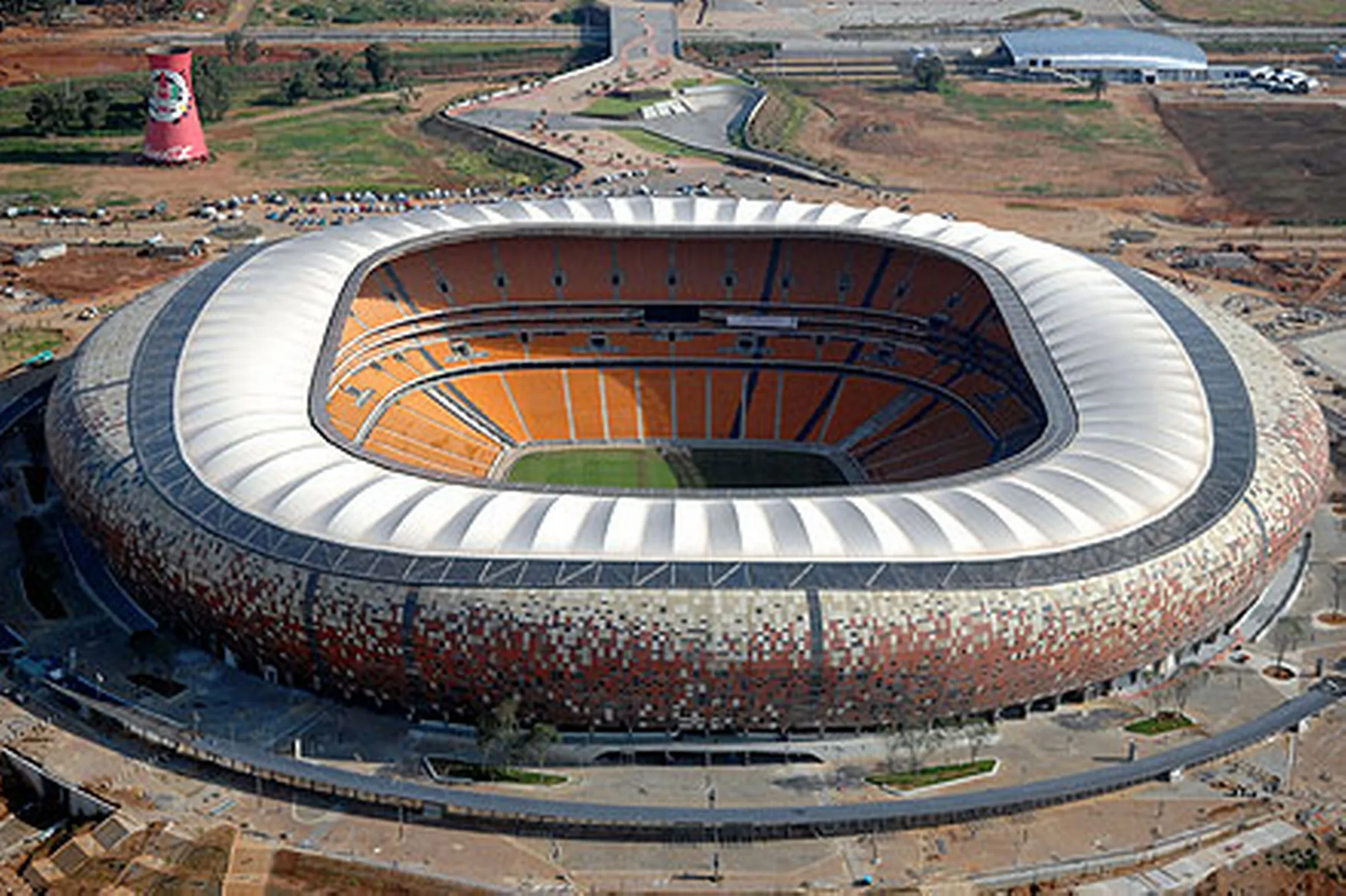
- Location: Johannesburg
- Year Opened: 1989 (renovated 2009)
- Cost: $440 million (renovation)
- Capacity: 94,736
History & Purpose
Built in 1989, FNB Stadium was expanded ahead of the 2010 FIFA World Cup to host the opening and final matches.
Architectural Uniqueness
Its calabash design reflects African heritage, symbolizing hospitality. The outer shell is covered with fiber-reinforced concrete panels with a mosaic of colors that resemble fire glowing under a pot.
Events & Legacy
It hosted Nelson Mandela’s first speech after his release in 1990, the 2010 World Cup Final (Spain vs Netherlands), and Mandela’s memorial service in 2013. Today, it remains home to Kaizer Chiefs FC and the South African national team, cementing its reputation as Africa’s most iconic stadium.
3. Moses Mabhida Stadium – South Africa
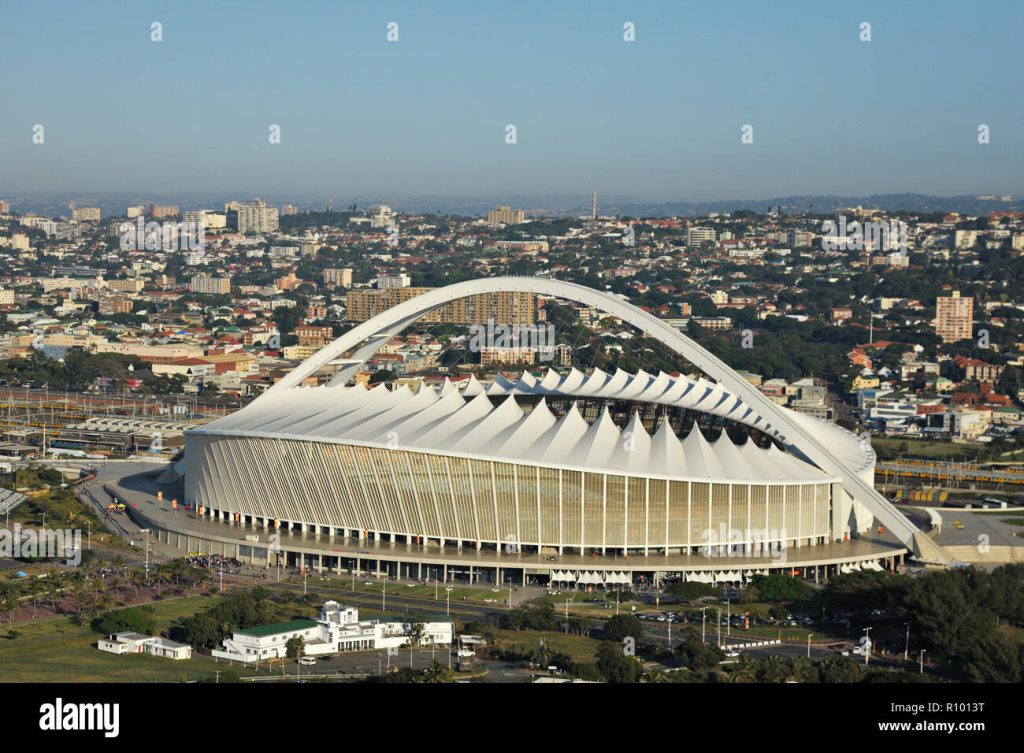
- Location: Durban
- Year Opened: 2009
- Cost: $450 million
- Capacity: 56,000
Signature Feature
The 350-meter arch represents a united South Africa. Visitors can ride a sky-car to the top or take part in the world’s tallest stadium bungee swing.
Use & Tourism Impact
It hosted several 2010 World Cup matches and today is a multipurpose arena for football, cricket, athletics, and concerts. Its unique adventure tourism features attract thousands of non-sporting visitors yearly, making it both a stadium and a tourist attraction.
4. Nelson Mandela Bay Stadium – South Africa
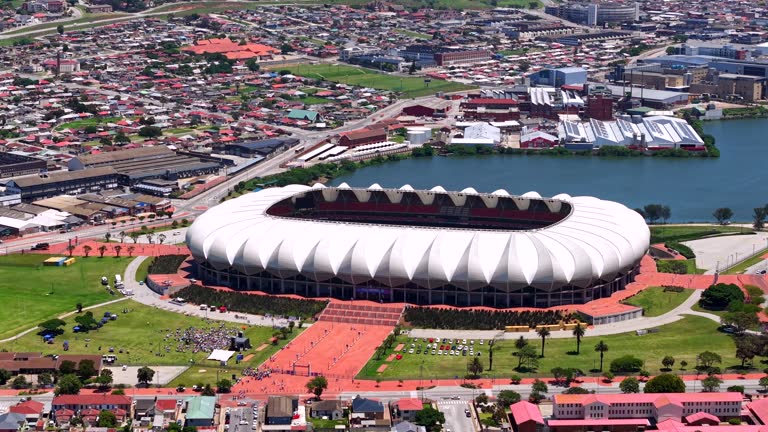
GQEBERHA, SOUTH AFRICA – NOVEMBER 24: In an aerial view, Nelson Mandela Bay Stadium stands near the industrial side of the city, on November 24, 2024 in Gqeberha, South Africa. The stadium, located in the city formerly called Port Elizabeth, was built for the FIFA 2010 World Cup and designed to shield spectators from wind and sun. (Footage by Henrique NDR Martins/Getty Images UGC)
- Location: Gqeberha (Port Elizabeth)
- Year Opened: 2009
- Cost: $270 million
- Capacity: 46,000
Design
Its roof design resembles a blooming flower, symbolizing growth and resilience.
Role
It hosted 2010 World Cup matches, including a quarter-final, and is now used for football, rugby, and cultural festivals. It revitalized Port Elizabeth’s waterfront, creating jobs and boosting tourism.
5. Abuja National Stadium – Nigeria
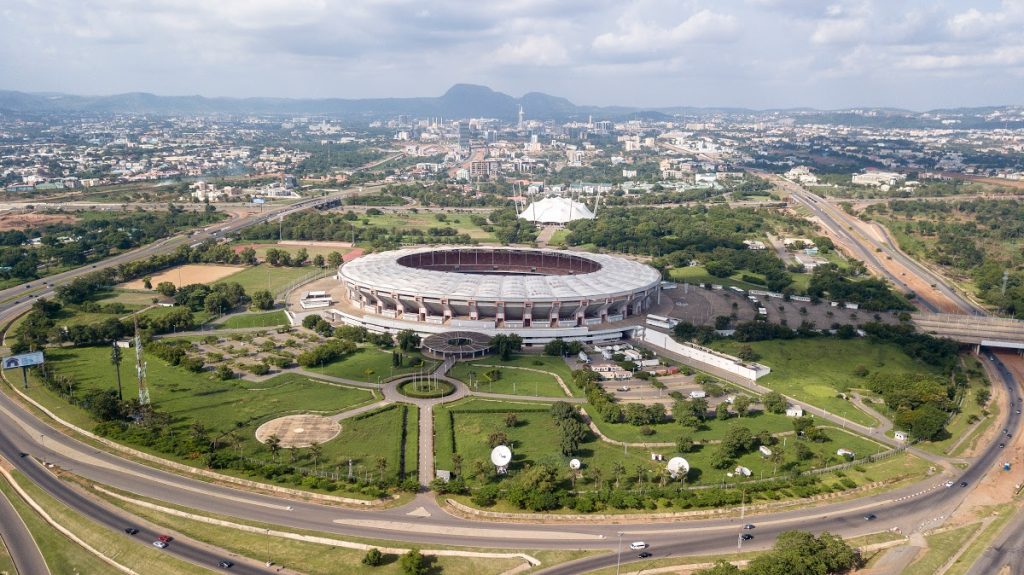
- Location: Abuja
- Year Opened: 2003
- Cost: $360 million
- Capacity: 60,491
Construction & Funding
Built by Julius Berger Construction with funding from the Nigerian government, it was designed as a centerpiece for the 8th All Africa Games.
Facilities
It includes a presidential lounge, hospitality suites, training pitches, and Olympic-standard facilities.
Legacy
It remains Nigeria’s national stadium but has faced criticism for poor maintenance. Despite that, it hosted memorable games including Super Eagles qualifiers and AFCON tournaments, and it stands as one of West Africa’s most expensive sports projects.
6. Stade d’Angondjé (Stade de l’Amitié) – Gabon
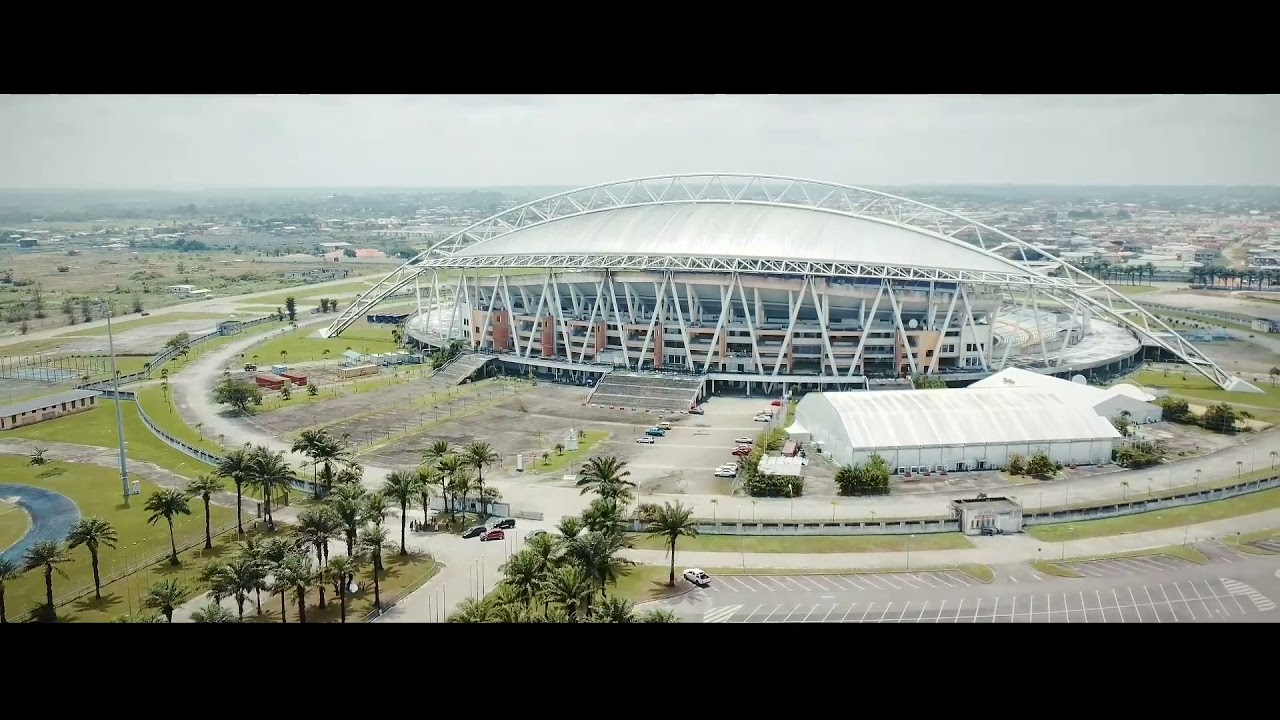
- Location: Libreville
- Year Opened: 2011
- Cost: $500 million
- Capacity: 40,000
Background
Built with financial and technical assistance from China, the stadium was inaugurated for the 2012 Africa Cup of Nations.
Features
Equipped with modern seating, hospitality lounges, and a FIFA-standard pitch, it is Gabon’s top sports venue.
Significance
Its enormous cost for a small nation like Gabon highlighted the government’s commitment to football diplomacy.
7. Stade Olympique de Radès – Tunisia
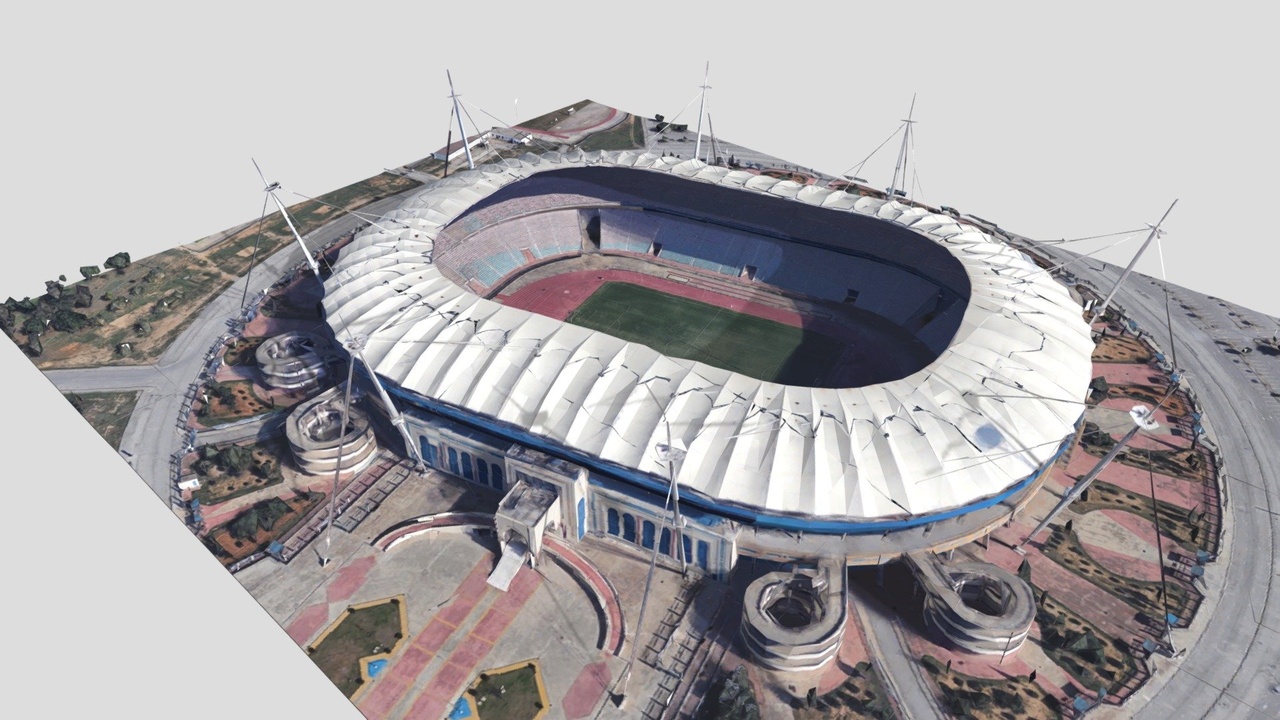
- Location: Radès, Tunis
- Year Opened: 2001
- Cost: $110 million
- Capacity: 60,000
Role
Built for the 2001 Mediterranean Games, it is Tunisia’s flagship stadium.
Events
It has hosted CAF tournaments, African Champions League finals, and Tunisia’s national team matches. Its durability and frequent use make it one of North Africa’s most successful stadium investments.
8. Cairo International Stadium – Egypt
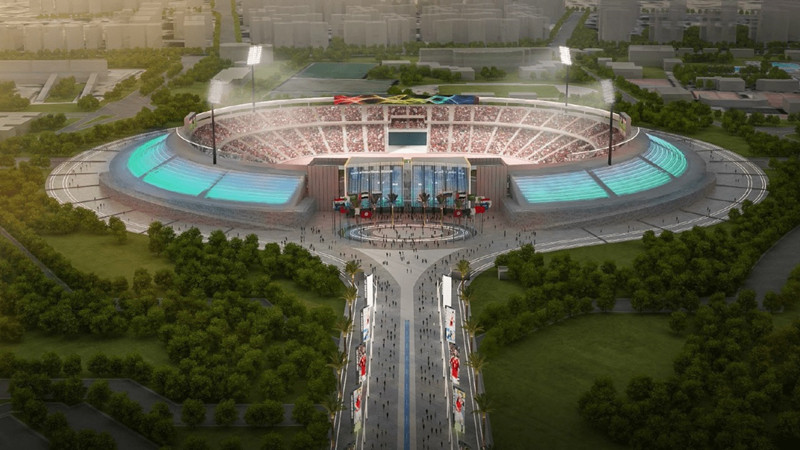
- Location: Cairo
- Year Opened: 1960 (renovated 2004, 2019)
- Cost: $200 million (renovations)
- Capacity: 75,000
Legacy
Egypt’s most famous stadium, it has hosted AFCON finals, CAF tournaments, and remains a fortress for Al Ahly and Zamalek.
Renovations
Ahead of the 2019 Africa Cup of Nations, the stadium was upgraded with modern seating, high-tech floodlights, and digital ticketing systems.
9. Nelson Mandela Stadium – Algeria
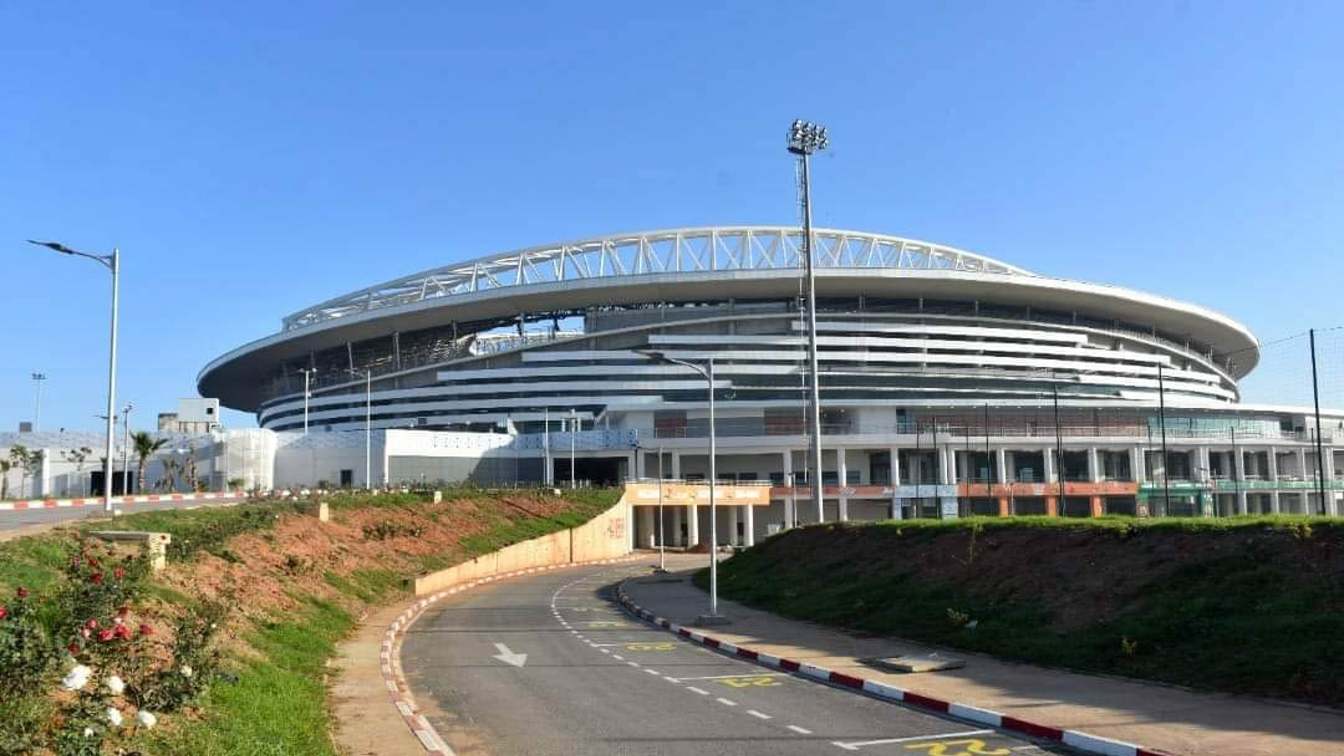
- Location: Algiers
- Year Opened: 2023
- Cost: $400 million
- Capacity: 40,784
Background
Opened in January 2023 for the African Nations Championship (CHAN), it is Algeria’s newest mega-stadium.
Features
Equipped with high-tech security systems, player tunnels, modern lounges, and world-class facilities, it sets the benchmark for future African stadiums.
Significance
Named after Nelson Mandela, it symbolizes Algeria’s solidarity with Africa’s liberation struggle.
10. Stade du 5 Juillet 1962 – Algeria
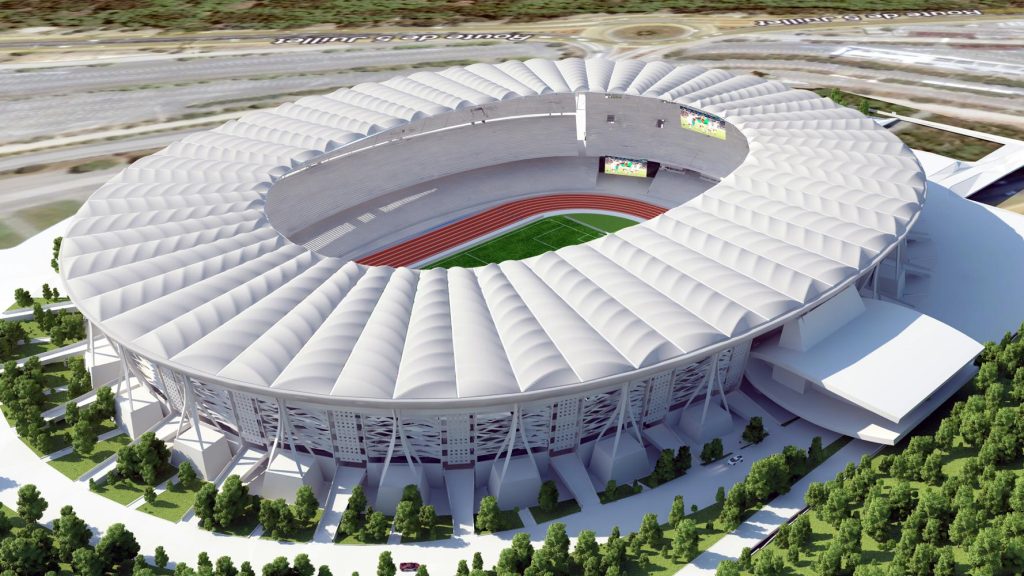
- Location: Algiers
- Year Opened: 1972 (renovated 1999, 2015)
- Cost: $100 million (upgrades)
- Capacity: 64,000
A historic arena, it hosted the 1978 All-Africa Games, AFCON finals, and remains Algeria’s most symbolic football venue. It continues to undergo upgrades to meet modern standards.
Why These Stadiums Matter
- Economic Engines: They boost tourism, jobs, and local business.
- Political Symbols: Stadiums often mark national independence or unity milestones.
- Cultural Hubs: Hosting music concerts, rallies, and festivals beyond football.
- Global Stage: They position African nations as capable hosts for international tournaments like the FIFA World Cup and AFCON.