

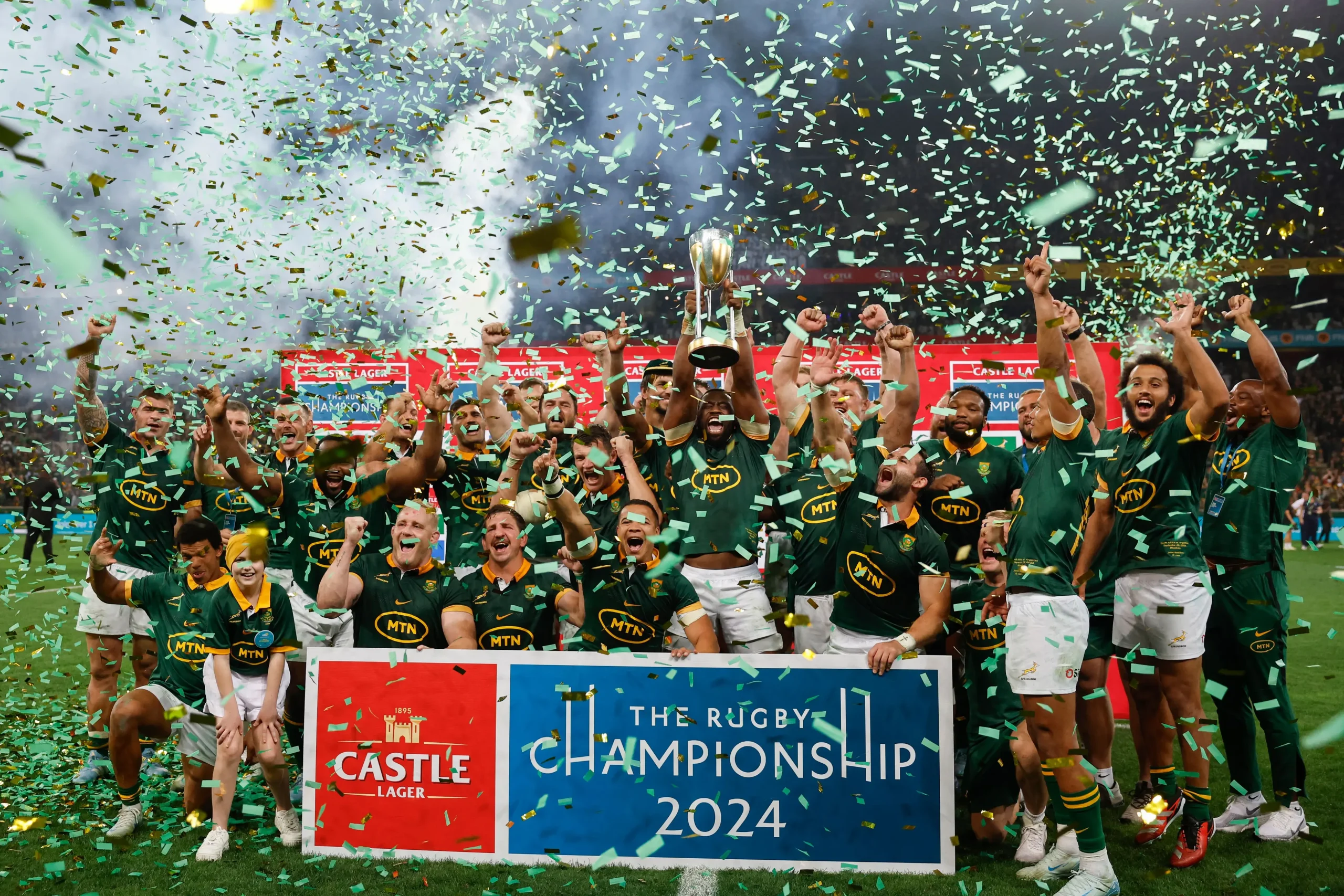
Rugby has steadily grown into one of Africa’s most exciting and fast-developing sports. Once limited to a handful of southern nations, it now inspires players and fans across the continent. From the structured power play of the Springboks to the high-speed sevens game of Kenya, rugby showcases Africa’s athleticism, teamwork, and competitive spirit. The continent’s growing rugby culture combines tradition, passion, and national pride. Below is a detailed look at the top 10 African countries best in rugby, examining their achievements, style of play, and impact on global rugby.
1. South Africa
South Africa remains Africa’s rugby superpower. The Springboks, their national team, are among the most successful sides in world rugby. They have won the Rugby World Cup four times — in 1995, 2007, 2019, and 2023 — a record they share with New Zealand. South Africa’s dominance comes from decades of structured youth development, physical conditioning, and tactical discipline. Local competitions like the Currie Cup and the United Rugby Championship produce world-class players. The country’s schools and academies have turned rugby into a culture of excellence. With leaders such as Siya Kolisi and stars like Cheslin Kolbe, the Springboks symbolize African pride and global respect.
2. Namibia
Namibia is the second-strongest rugby nation in Africa. The Welwitschias, their national team, have qualified for seven consecutive Rugby World Cups since 1999. While they have yet to win a World Cup match, Namibia’s presence on the global stage is a major achievement for a small population. Many Namibian players develop through South African leagues, gaining exposure to top-level competition. Domestically, the sport enjoys government and community support. Namibia’s disciplined structure, combined with powerful forwards and resilient defense, has earned them continental dominance outside South Africa.
3. Kenya
In East Africa, Kenya stands out as the heartbeat of rugby. The country’s Shujaa Sevens team has become world famous for their flair, creativity, and speed. Kenya won the Singapore Sevens in 2016, a historic victory that showcased African brilliance on the global stage. The country’s passion for rugby sevens has fueled the growth of the 15s format, with the national team, the Simbas, steadily improving in the Rugby Africa Cup. Kenya’s domestic league, the Kenya Cup, continues to develop new talent through clubs like Kabras Sugar RFC and KCB RFC. With strong youth programs and increased sponsorship, Kenya remains a vibrant force in both sevens and fifteens rugby.
4. Zimbabwe
Zimbabwe has a proud rugby history. The Sables, their national team, qualified for the Rugby World Cups in 1987 and 1991. For years, they were Africa’s second-strongest side after South Africa. Economic challenges slowed progress, but recent reforms have revived the game. The Zimbabwe Rugby Union has invested in youth programs and coaching. Many players of Zimbabwean origin play professionally in Europe, strengthening the national squad. The country’s schools, such as Prince Edward and St. George’s College, remain rugby strongholds. Zimbabwe’s rebuilding process is gaining momentum, showing that determination and structure can restore past glory.
5. Uganda
Uganda has become a rising star in African rugby. The Rugby Cranes and the Uganda Sevens have both achieved regional success. Uganda has won multiple Africa Sevens Championships, earning spots in the World Rugby Sevens Series. The country’s rugby growth stems from structured youth programs and community clubs in Kampala. Ugandan players are known for their strength, stamina, and fearless tackling. The local league is competitive, producing players who can match any team in Africa. Uganda’s growing popularity in both men’s and women’s rugby shows that the sport has taken deep root.
6. Morocco
Morocco is North Africa’s most established rugby nation. The sport has a long history there, influenced by French culture and international exposure. Moroccan rugby has benefited from strong links with France, allowing local players to gain professional experience in top European clubs. The national team remains one of the most technically skilled in Africa, with a well-organized domestic system. Morocco’s emphasis on youth development, coaching education, and structured leagues has paid off. The country is now focused on reclaiming its past success and competing regularly in the Rugby Africa Cup.
7. Tunisia
Tunisia is another respected rugby country in North Africa. Its national team has performed consistently in the Rugby Africa Cup, often finishing in the top half of the standings. Rugby was introduced in Tunisia during the colonial era, and it has since developed into a structured sport supported by schools and universities. Tunisian players are known for technical skill, discipline, and quick ball movement. The country’s rugby federation continues to invest in youth and women’s rugby. Tunisia’s clubs, particularly Stade Tunisien and Club Africain, have also contributed to building a steady pipeline of players.
8. Ivory Coast
Ivory Coast is one of the few West African nations with Rugby World Cup experience, having competed in 1995. The national team, known as the Elephants, remains a symbol of pride and potential. Ivory Coast has made significant investments in training facilities and youth rugby since the 2010s. The sport’s growth has been supported by cooperation with French clubs, where many Ivorian players develop their skills. The national league is becoming more competitive, helping to improve the quality of domestic rugby. With improved management and coaching, Ivory Coast could once again rise as a continental contender.
9. Madagascar
Rugby in Madagascar is unlike anywhere else in Africa. The sport is immensely popular, often drawing larger crowds than football. The national team, the Makis, has built a reputation for playing fast, entertaining rugby. Their matches in Antananarivo can attract over 30,000 passionate fans. Madagascar’s players are known for agility, creativity, and relentless energy. The nation’s success in the Rugby Africa Cup and regional competitions reflects its commitment to grassroots development. Rugby is played in schools, communities, and villages, making Madagascar one of Africa’s most unique rugby cultures.
10. Senegal
Senegal closes the list as one of West Africa’s emerging rugby nations. The national team, the Lions of Teranga, has made steady progress in recent years. Senegal competes strongly in the Rugby Africa Cup and sevens tournaments. The country has introduced rugby in schools, boosting participation among youth. Dakar’s growing rugby community, coupled with modern facilities, has helped the sport thrive. Senegal’s style of play blends speed and strength, characteristics shared by its footballing counterpart. With government backing and increasing public interest, Senegal’s future in African rugby looks bright.
Growth and Challenges in African Rugby
African rugby continues to expand through grassroots initiatives, professional partnerships, and global support. World Rugby’s investment in coaching, refereeing, and women’s programs has strengthened the sport’s foundation. However, challenges remain. Many nations struggle with limited funding, inconsistent infrastructure, and access to international competition. Travel costs and logistics often hinder regional tournaments. Despite these obstacles, passion and perseverance keep the game alive. Countries like Kenya, Uganda, and Madagascar have proven that success is possible through commitment and community involvement.
The Future of Rugby in Africa
Africa’s rugby future is full of potential. The success of South Africa has inspired young players across the continent. The growing popularity of rugby sevens, now an Olympic sport, has opened new pathways for emerging nations. Programs such as Rugby Africa’s Training Camps and World Rugby’s Get Into Rugby initiative continue to nurture the next generation of players and coaches. The establishment of semi-professional leagues in countries like Kenya and Ghana shows progress toward sustainability. With continued investment, Africa could soon produce multiple World Cup-caliber teams and global stars.
A Continent United by Passion and Power
Rugby in Africa embodies the continent’s values — unity, strength, and resilience. Whether in the massive stadiums of Pretoria or the packed stands of Antananarivo, the spirit of the game connects millions. Each country’s journey reflects determination and pride. From the world-conquering Springboks to the rising sevens stars of East Africa, African rugby’s story is one of growth and limitless potential. As the continent continues to evolve in sport and identity, rugby stands tall as a symbol of discipline, teamwork, and hope.