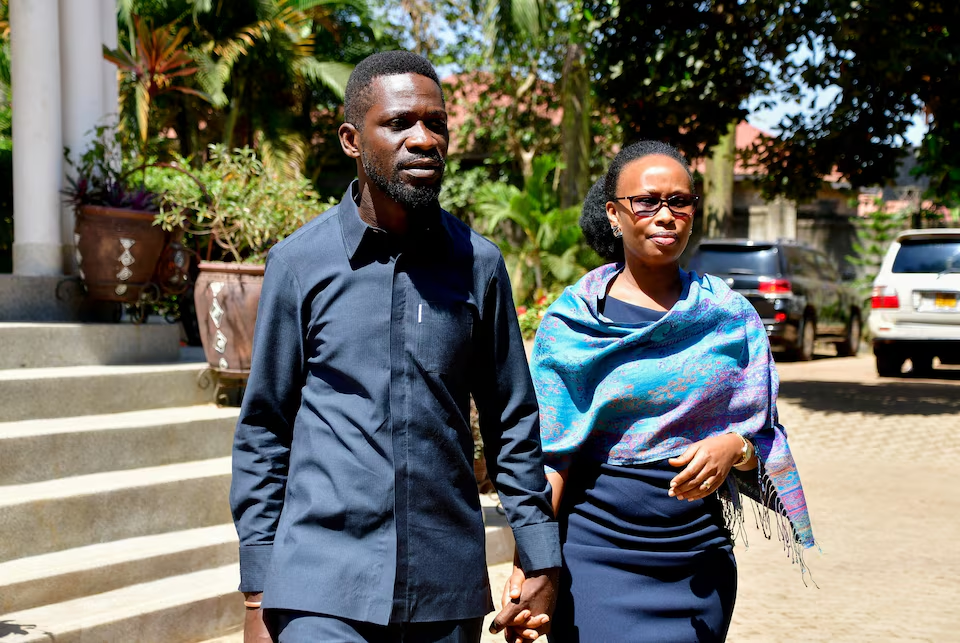
Uganda’s Information Minister Chris Baryomunsi has condemned a military raid on opposition leader Bobi Wine’s home. He stated the popstar-turned-politician committed no crime and is free to return. Wine fled his Kampala residence hours before officials announced his presidential election loss on January 15. He has remained in hiding for weeks since then. The military raid occurred on January 24, according to Wine’s account. He alleged soldiers invaded his home, partially undressed his wife, and choked her. This incident has intensified scrutiny of the government’s security tactics.
Uganda’s military chief, Muhoozi Kainerugaba, denied the assault allegations. However, he later stated on social media that forces had “captured and then released” Wine’s wife. Minister Baryomunsi, who also serves as a government spokesperson, pledged an investigation. “We do not condone any acts of indiscipline on the side of the army and security forces,” he told Reuters. He explicitly called the military raid wrong. This public condemnation from a senior minister is a notable development in Uganda’s tense political climate.
Government Pledges Investigation Into the Incident
Minister Baryomunsi confirmed authorities would investigate the military raid. He emphasized that invading a home and assaulting anyone is unacceptable. However, he declined to specify potential penalties for any personnel found guilty. This leaves questions about accountability unanswered. The military chief has stated publicly that the army is searching for Wine. He cites the opposition leader’s rejection of the election results as a factor. Yet, Kainerugaba has not specified any formal charges against Wine.
Rights groups and opposition figures have long accused the government of using security forces to suppress dissent. They claim President Yoweri Museveni’s four-decade rule relies on military intimidation. The government consistently denies these allegations. This recent military raid on a prominent opponent’s home provides fresh evidence for critics. The minister’s condemnation may aim to manage international and domestic backlash. A spokesperson for Wine’s National Unity Platform party did not respond to requests for comment on the situation.
Contradictions Within Government and Military Statements
The episode reveals clear contradictions within Uganda’s leadership. The military chief’s social media posts directly conflict with the minister’s statements. Kainerugaba initially denied the assault before admitting his forces detained Wine’s wife. He also continues to assert the army is hunting the opposition leader. Minister Baryomunsi downplayed these online comments. He suggested they are “casual” and do not reflect official state policy. This highlights a potential rift or incoherent strategy within the administration.
Kainerugaba has a history of inflammatory social media activity. He once threatened to behead Bobi Wine. He also boasted about the military killing opposition supporters and often deletes these posts afterward. This pattern creates a climate of fear and uncertainty. The mixed messages following the military raid complicate the situation further. They undermine the minister’s promise of a disciplined investigation. Observers now question who truly controls the security forces’ conduct.
Broader Context of Post-Election Tensions
The military raid occurs within a fraught post-election period. Wine was the main challenger to President Museveni in the January 15 vote. He rejected the official results, alleging widespread fraud. He then went into hiding, fearing for his safety. The raid on his home appears to be part of a broader pressure campaign. Security forces have arrested numerous opposition supporters since the election. The government states it is upholding law and order.
International observers expressed concerns about the election’s fairness. The international community is watching the treatment of the opposition closely. The minister’s condemnation of the military raid might be an effort to address these concerns. However, without concrete disciplinary action, the words may ring hollow. The situation remains volatile, with Wine’s whereabouts unknown and the military’s intentions unclear. The threat of further violence or intimidation persists.
Regional Security Policy Also in Dispute
The controversy extends beyond domestic politics into foreign policy. Military chief Kainerugaba recently threatened to withdraw Ugandan troops from Somalia. They are part of an African Union mission fighting jihadists. Minister Baryomunsi directly contradicted this threat. He stated Uganda has no plans to pull its contingent from Somalia. This public disagreement on a major security issue is significant. It suggests the military chief may be freelancing policy or testing his political influence.
This discord complicates the government’s unified public stance. It also worries international partners who depend on Uganda’s role in regional security. The minister’s attempt to dismiss the general’s comments as “casual” may not reassure allies. It paints a picture of a fragmented administration. This internal conflict could weaken Uganda’s diplomatic position. It also raises questions about the chain of command and the president’s control over his own son and the military.
Implications for Human Rights and Democracy
The military raid and its aftermath have serious implications. They underscore the precarious state of political rights and human rights in Uganda. The physical targeting of an opposition leader’s family is a severe escalation. It signals that even private homes offer no sanctuary from state power. This will likely further chill political participation and free speech. People may fear similar reprisals for expressing dissent.
The minister’s condemnation is a necessary first step. However, meaningful accountability requires a transparent investigation and prosecutions. The government must also guarantee the opposition’s safety and political space. Without these actions, Uganda’s democratic credentials will continue to erode. The world will watch how the government handles this self-inflicted crisis. The response to this military raid will define Uganda’s political trajectory for years to come.