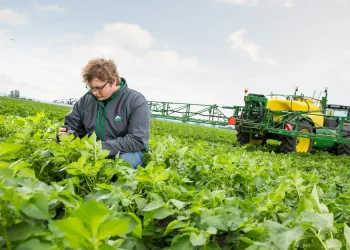
Broccoli farming in Kenya offers great potential for farmers due to its rising popularity in both local and international markets. Known for its rich nutritional profile, including vitamins and fiber, broccoli is a highly sought-after vegetable. The crop thrives in cooler climates, and Kenya’s favorable farming conditions make it an excellent choice for farmers looking to diversify their crops and earn consistent income. With the right care and management, broccoli farming can yield high returns for farmers year-round.
Ecological Conditions for Broccoli Farming in Kenya
Broccoli is best suited for cool, temperate climates with fertile soil. To grow healthy and productive broccoli, it is important to meet the following ecological requirements:
Ideal Climate and Soil
- Temperature: Broccoli thrives in temperatures ranging from 7°C to 24°C. It grows best in cooler climates with moderate temperatures.
- Soil: Well-drained, slightly acidic soil with a pH between 6.0 and 7.0 is ideal. It can grow in sandy, clay, or loamy soils, but good drainage and rich organic matter are essential.
- Preparation: Dig soil to a depth of 30–50 cm to allow for root penetration. Mix in compost or well-rotted manure for nutrient-rich soil. Conduct a soil test to identify any nutrient deficiencies.
Moisture Requirements
Broccoli requires a steady supply of water throughout its growth cycle. Irrigation is crucial, especially during dry seasons, but it is important to avoid waterlogging, as this can cause root rot.
Organic Matter and Fertilisation
As a heavy feeder, broccoli requires plenty of organic matter to thrive. Enrich the soil with compost or manure, and apply NPK fertilizers rich in nitrogen and phosphorous to support early growth. Regular fertilization, especially top dressing after transplanting, helps the plant continue to grow vigorously.
Steps to Successful Broccoli Farming in Kenya
Broccoli farming requires care and attention to detail throughout the growing process. From seedling propagation to harvesting, here are the key steps for success:
Starting with the Nursery
- Seedlings: Start by planting seeds in a nursery bed. Water lightly and protect the seedlings from direct sunlight, especially during the afternoon.
- Growth: Allow the seedlings to grow for 4–6 weeks until they have 4–5 leaves.
- Soil: Use fine, well-drained soil mixed with compost to encourage healthy seedling growth.
Transplanting into the Main Field
Once the seedlings are ready, it’s time to transplant them into the main field:
- Timing: Transplant early in the morning or late in the evening to avoid heat stress on the young plants.
- Spacing: Space seedlings 45 cm apart in rows that are about 60 cm apart to allow adequate room for growth.
- Soil Enrichment: Apply compost manure into each planting hole for added nutrients.
- Watering: Water immediately after transplanting and apply mulch to conserve moisture and prevent weed growth.
Weed and Pest Management
Weeds and pests can compete with broccoli for nutrients and water, affecting yields. Here’s how to manage them effectively:
- Weed Control: Weed regularly, especially during the first few months. Mulching helps suppress weeds, and crop rotation can prevent long-term weed problems.
- Pests: Common pests include aphids, caterpillars, and cutworms. Use integrated pest management (IPM) techniques, such as handpicking pests, using organic pesticides, and maintaining field hygiene.
Top Dressing and Ongoing Care
- Fertilization: Apply CAN (Calcium Ammonium Nitrate) top dressing three weeks after transplanting. Repeat the application every 2–3 weeks as the plants mature.
- Monitor Growth: Regularly check the plants for signs of nutrient deficiency, pest damage, or disease. Healthy plants require consistent attention.
Harvesting and Post-Harvest Handling
Broccoli is typically ready for harvest within 60 to 90 days after transplanting, depending on the variety and weather conditions.
How to Know It’s Time to Harvest
Harvest your broccoli when the heads are tight, green, and firm but before they begin to flower. The best time to harvest is early in the cool morning to preserve freshness and quality. Cut the main head with a sharp knife, leaving a few centimeters of the stalk. After harvesting the main head, side shoots often continue to grow, providing an extended harvest.
Post-Harvest Practices
- Handling: Handle broccoli carefully to avoid bruising, as it can reduce market value.
- Packaging: Pack the harvested broccoli in ventilated crates and keep them in a cool place to extend shelf life. For export, cooling should be done immediately after harvest to maintain quality.
Benefits of Broccoli Farming in Kenya
Broccoli farming offers numerous benefits, making it a top choice for farmers looking to maximize their profits.
Nutritional Value
Broccoli is a rich source of vitamin C, vitamin D, fiber, and natural detoxification compounds. It is known for its cholesterol-lowering properties, making it a popular choice for health-conscious consumers. As the demand for nutritious food continues to rise, broccoli remains in high demand.
Market Demand
Broccoli has a growing market in Kenya, especially in urban areas where consumers are increasingly health-conscious. It is in high demand in:
- Supermarkets: Widely sold in supermarkets across the country.
- Hotels and Restaurants: Frequently used in salads, soups, and other dishes.
- Export Markets: Kenya is one of Africa’s leading exporters of broccoli, particularly to Europe and the Middle East.
Farmers who maintain high-quality standards can earn good returns. Contract farming with exporters or grocery chains also offers stable prices and reduces market risks.
Why Broccoli Farming Is a Profitable Venture in Kenya
Broccoli farming in Kenya offers a profitable opportunity for both small-scale and large-scale farmers. With the right ecological conditions, proper care, and attention to detail, farmers can enjoy consistent harvests and access a growing market. Whether you’re a new or experienced farmer, broccoli farming can provide a reliable income source while contributing to food security in Kenya. With rising demand both locally and internationally, now is the perfect time to start growing this nutritious and high-value vegetable.