

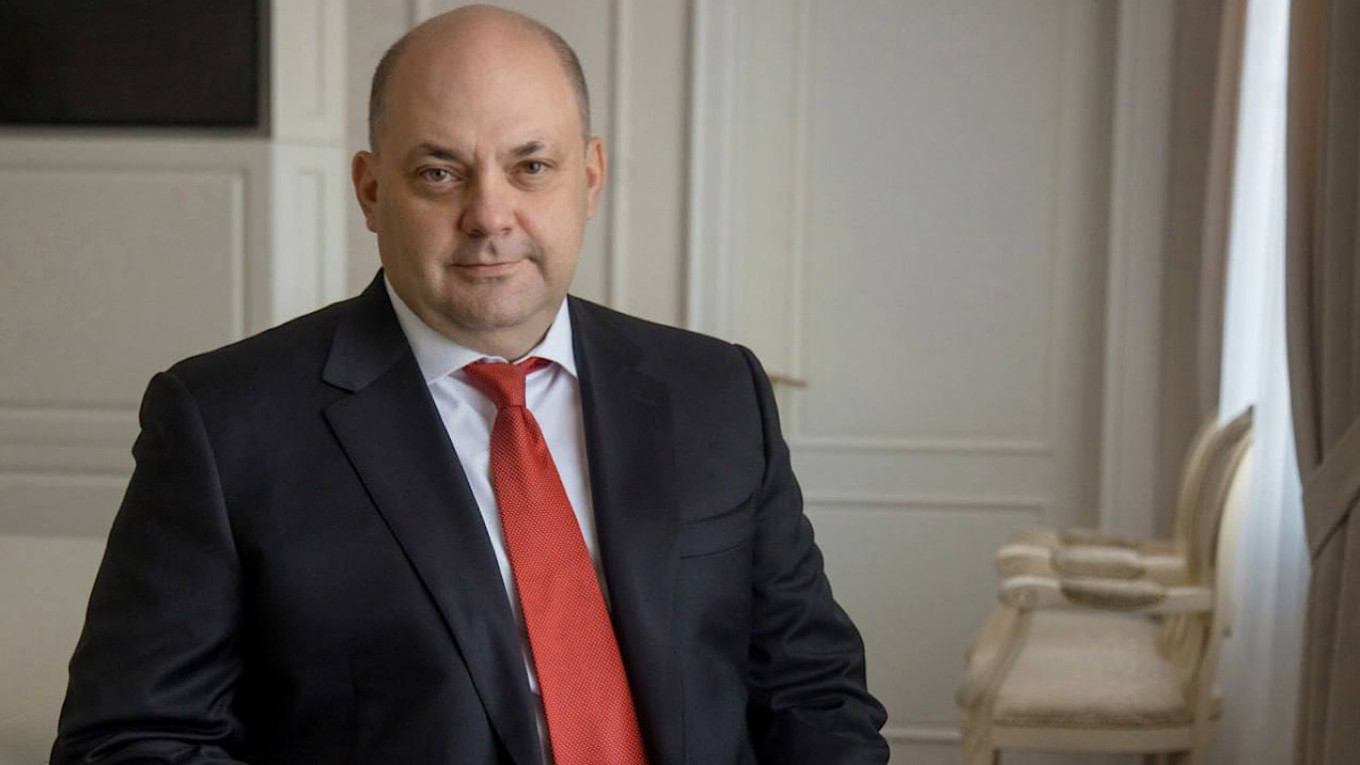
The Alexei Smirnov sentence marks a significant development in Russia’s ongoing crackdown on corruption tied to regional governance and defence spending. As a result, authorities have intensified scrutiny of officials linked to financial misconduct.
A Russian court sentenced Alexei Smirnov to 14 years in prison after finding him guilty of corruption. According to RIA Novosti, the ruling forms part of a broader investigation into the misuse of public funds.
The Alexei Smirnov sentence connects directly to alleged embezzlement involving money allocated for frontier defences. These funds were meant to strengthen security in the Kursk region, an area that has faced increased military pressure.
In 2024, parts of the Kursk region came under temporary control by Ukraine during cross-border military operations. Therefore, the misuse of defence funds raised serious concerns about preparedness and national security.
Authorities have not limited their investigation to Smirnov alone. Instead, prosecutors have pursued several former officials connected to the region. As a result, the Alexei Smirnov sentence reflects a wider effort to hold local leadership accountable.
The case highlights the risks associated with corruption in sensitive sectors. When funds intended for defence infrastructure are misused, the consequences extend beyond financial loss. In addition, such actions can weaken security systems during periods of conflict.
Observers note that the Alexei Smirnov sentence comes at a time when Russia is tightening internal controls. The government has increased oversight of regional administrations, particularly those near conflict zones. Therefore, officials now face greater pressure to ensure transparency and proper use of state resources.
At the same time, the case underscores the broader challenges of governance in border regions. These areas often require rapid investment in infrastructure and security. However, weak oversight can create opportunities for financial misconduct.
The Alexei Smirnov sentence also signals a political message. By prosecuting high-ranking officials, authorities aim to demonstrate a commitment to accountability. Consequently, the case may serve as a warning to others in similar positions.
Despite the ruling, questions remain about the full extent of the alleged embezzlement. Investigators continue to examine financial records and connections among officials. Therefore, additional cases or charges could emerge as the inquiry progresses.
Ultimately, the Alexei Smirnov sentence reflects the intersection of corruption, security, and governance. As Russia navigates ongoing regional tensions, the integrity of public institutions remains a critical concern.


