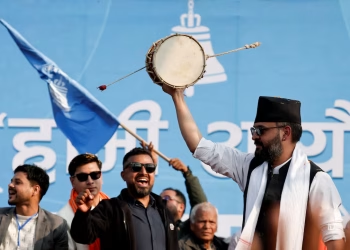
Social media has become a game-changer in modern political campaigns, especially with the rise of digital activism. As we move further into 2025, social media platforms are increasingly shaping elections and transforming how political movements are organized, campaigns are run, and voter behavior is influenced. This article explores how digital activism is impacting elections and the power of social media in the political process.
The Rise of Digital Activism in Elections
In recent years, digital activism has played a pivotal role in mobilizing voters and engaging the public on political issues. Social media platforms like Twitter, Facebook, TikTok, and Instagram have given rise to new forms of political activism. Through hashtags, viral videos, and coordinated online campaigns, young people and marginalized communities have used social media to amplify their voices.
Digital activism provides an accessible platform for individuals to express their political opinions, engage in debates, and challenge traditional power structures. In elections, digital activists can highlight issues, raise awareness, and rally supporters faster than ever before, often bypassing traditional media channels.
Social Media as a Campaign Tool
In 2025, social media has become a key tool for political campaigns. Candidates and political parties use platforms like Twitter to engage with voters, make announcements, and respond to real-time developments. Campaigns are increasingly run through digital means, with ads, debates, and live events streaming directly to audiences’ feeds.
Political candidates also use social media to target specific demographics through data analytics. By analyzing voter behavior and preferences, campaigns can tailor their messages to resonate with certain groups, increasing voter engagement and influencing electoral outcomes. This targeted approach has made social media an essential tool for campaigning in modern elections.
Mobilizing Voters and Increasing Turnout
One of the most significant impacts of social media on elections is its ability to mobilize voters. Digital platforms have made it easier to organize protests, encourage voter registration, and inform citizens about the importance of voting. Social media can quickly spread the message about upcoming elections, voter deadlines, and issues that need attention, motivating people to take action.
Youth voter engagement has also increased due to social media. Platforms like TikTok and Instagram allow young voters to connect with political candidates in a way that feels more relatable and engaging. This demographic, once considered disengaged from politics, has become a powerful force in recent elections, largely due to the influence of digital activism.
Social Media and Misinformation
While social media has been a force for positive political change, it has also contributed to the spread of misinformation. Fake news, conspiracy theories, and manipulated content can easily go viral, influencing public opinion and electoral outcomes. Misinformation campaigns, often sponsored by foreign actors or political groups, are a growing concern in modern elections.
As a result, many social media platforms are now implementing stricter measures to combat false information. However, the effectiveness of these measures remains a subject of debate, and misinformation continues to be a significant challenge in ensuring free and fair elections.
The Role of Influencers in Political Campaigns
In 2025, political campaigns increasingly rely on influencers and social media personalities to reach younger voters. These influencers have massive followings and can sway opinions by promoting certain political causes, candidates, or policies. Their reach goes beyond traditional media outlets, and their endorsement can provide a significant boost to a candidate’s popularity.
Influencers also play a role in promoting activism and awareness around issues such as climate change, racial justice, and economic inequality. Through social media, these influencers create a sense of urgency and solidarity, encouraging their followers to take action—whether that be voting, attending protests, or engaging in conversations about important political topics.
Social Media and Political Polarization
While social media helps to democratize political discourse, it also contributes to political polarization. Algorithms used by social platforms prioritize content that aligns with users’ preexisting views, creating echo chambers where individuals are only exposed to information that reinforces their beliefs. This can lead to a deepening divide between political factions, making it harder for people with differing views to engage in meaningful dialogue.
In elections, this polarization can have serious consequences. Candidates may feel pressured to appeal only to their base, while avoiding compromise or engagement with opposing viewpoints. As a result, social media can amplify divisions and increase the challenges of achieving consensus in a democracy.
The Future of Digital Activism in Elections
Looking ahead to future elections, digital activism and social media will continue to play a significant role. As technology advances, we can expect even more sophisticated tools for campaigning, voter engagement, and mobilization. Virtual reality (VR) and augmented reality (AR) could be used to create immersive campaign experiences, while artificial intelligence (AI) may provide even more personalized political messaging.
However, with the rise of digital activism, there will also be a need for stronger regulation to ensure that social media remains a positive force in the political process. Governments, tech companies, and civil society will need to collaborate to address challenges such as misinformation, political manipulation, and privacy concerns.