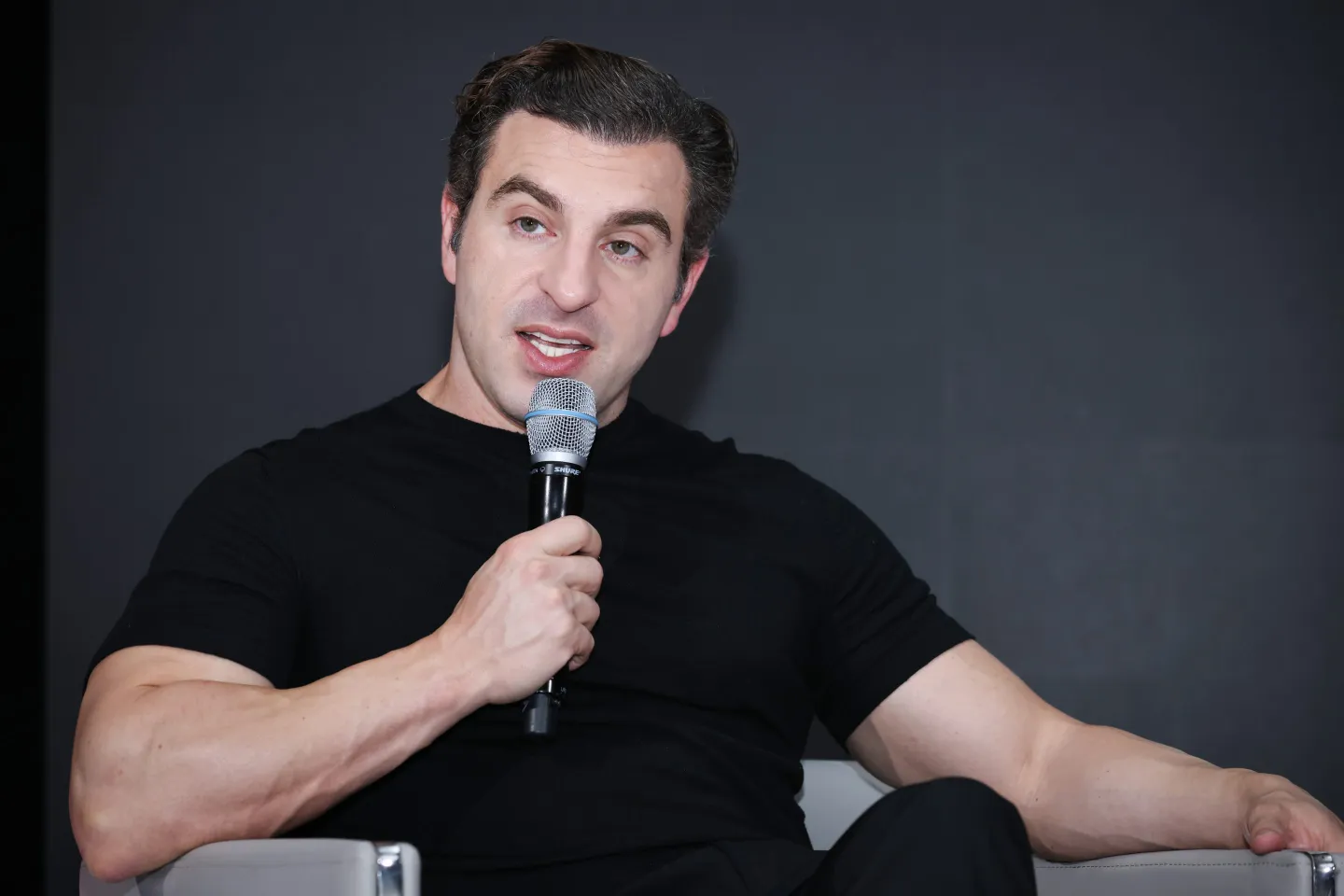
James Dyson is a name synonymous with innovation, resilience, and engineering brilliance. As the founder of Dyson Ltd., he transformed the household technology industry and brought groundbreaking products into homes around the world. Dyson’s journey from a young engineer to a knighted billionaire inventor is one of perseverance, ingenuity, and vision. His commitment to solving everyday problems through design and engineering continues to leave an indelible mark on the world.
Early Life and Education
Born on May 2, 1947, in Cromer, Norfolk, England, Dyson grew up with a deep curiosity for design and problem-solving. His early life was shaped by a passion for creativity, which led him to study at Gresham’s School in Norfolk. Dyson’s artistic inclinations were evident in his interest in design, and this passion later evolved into a fascination with industrial engineering. He went on to study at the Byam Shaw School of Art and later the Royal College of Art in London, where he honed his skills in industrial design, focusing on furniture and interior design. Eventually, his interests pivoted toward engineering, setting the stage for the revolutionary work that would follow.
Dyson’s education was pivotal in shaping his approach to both design and business. The transition from art to engineering was influenced by his growing understanding of how products are made and how design could intersect with practical use. This intellectual foundation would fuel Dyson’s career and lay the groundwork for his later successes as an inventor.
The Birth of the Cyclonic Vacuum Cleaner
The inspiration for Dyson’s most famous invention came from personal frustration. In the late 1970s, Dyson grew increasingly annoyed by his vacuum cleaner’s diminishing suction power as the bag became clogged. Driven by his desire to solve this everyday problem, Dyson turned to a concept he had seen used in industrial cyclone towers at a sawmill. The principle of cyclonic separation, which uses centrifugal force to separate dust and debris, sparked a revolutionary idea: why not apply this principle to vacuum cleaners?
Dyson set out to create a vacuum cleaner that didn’t rely on bags, which clogged easily and lost suction power. After years of experimentation and 5,126 prototypes, Dyson perfected the first bagless vacuum cleaner, which used cyclonic separation to maintain powerful suction without the need for bags. This design innovation set the foundation for Dyson Ltd. and redefined the vacuum cleaner industry.
Launching Dyson Ltd.
In 1991, after years of struggling to get major manufacturers to adopt his idea, Dyson took the bold step of launching his own company, Dyson Ltd. His first product, the DC01 vacuum cleaner, became an instant success in the UK. The vacuum was praised not only for its groundbreaking technology but also for its sleek, modern design. Dyson’s commitment to engineering excellence and simplicity made the DC01 an industry game-changer, and the company’s reputation quickly grew.
Dyson Ltd. expanded rapidly, entering international markets and diversifying its product line to include hand dryers, fans, heaters, and air purifiers. One of the most notable additions was the Dyson Supersonic hair dryer, which combined high-speed air flow and intelligent heat control to create a product that has since become synonymous with luxury and performance. Dyson’s innovations continued to set new standards in design and technology, and the company’s products became coveted for their performance and aesthetic appeal.
Commitment to Research and Development
A key aspect of Dyson’s approach has always been his dedication to research and development. Dyson Ltd. invests heavily in innovation, focusing on developing new technologies to solve real-world problems. Dyson’s engineering standards are rigorous, and the company’s willingness to experiment has been a driving force behind its success.
In 2017, Dyson announced plans to develop an electric vehicle, an ambitious project that was ultimately shelved in 2019 due to cost concerns. Despite this, the move showed Dyson’s willingness to explore new areas and break traditional industry boundaries. This mindset continues to define Dyson Ltd.’s approach to innovation, as the company consistently pushes the envelope in household technology and beyond.
Dyson’s Impact on Education and Philanthropy
In addition to his commercial success, Dyson has been a strong advocate for education and the development of the next generation of engineers and inventors. In 2002, he established the James Dyson Foundation, which aims to inspire young people to pursue careers in engineering and design. The foundation supports education by providing grants, resources, and the prestigious James Dyson Award, an international competition that encourages young innovators to design products that solve real-world problems.
Dyson’s commitment to education and philanthropy extends beyond his foundation. He has donated millions to various causes, particularly in the areas of science, technology, and engineering education. His dedication to the future of innovation and his desire to give back to society reflect his belief in the power of engineering to create positive change.
Controversies and Challenges
Despite his public success, Dyson has faced some controversies over the years. In 2019, Dyson made the decision to relocate his company’s headquarters to Singapore, which was met with criticism, particularly due to his vocal support for Brexit. Dyson justified the move by citing proximity to Asian markets and a strategic focus on growth and manufacturing in the region. The decision highlighted the complexities of running a global business and the balancing act between public sentiment and business strategy.
Dyson has also been vocal about his views on education reform, particularly in the UK. He has long advocated for more practical, engineering-focused education, emphasizing the need for greater investment in technical skills to address skills gaps in the workforce. His stance on education has sparked debate, but his efforts to drive positive change in the field are undeniable.
Legacy and Continuing Influence
James Dyson’s legacy is not only one of invention but also of perseverance and resilience. From a frustrated vacuum cleaner user to one of the most respected inventors of his time, Dyson’s journey demonstrates the power of creativity and determination. His approach to engineering — focused on solving real-world problems through design — continues to influence generations of engineers, entrepreneurs, and innovators.
Dyson’s life is a testament to what can be achieved when passion and innovation are paired with a commitment to excellence. His products continue to shape the household technology industry, and his vision for the future of engineering and design will likely influence the industry for years to come.
A Legacy of Problem-Solving and Innovation
James Dyson’s life exemplifies how innovation can drive success. Through his inventions, he has redefined household appliances and set new standards in design and technology. His story is one of overcoming challenges, embracing new ideas, and pushing the boundaries of what is possible. Today, Dyson Ltd. stands as a leader in household technology, and James Dyson himself remains one of the most influential inventors and entrepreneurs of his generation.