
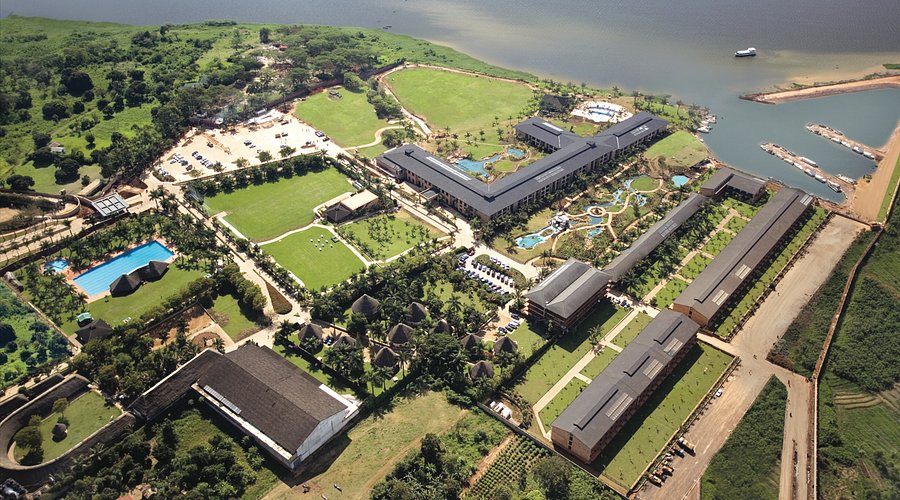
Kampala, the vibrant capital of Uganda, has long served as the gateway to the country’s world-famous wildlife parks and natural attractions. However, in recent years, the Kampala tourism industry has evolved into a strong standalone sector. No longer just a stopover city, Kampala is emerging as a dynamic destination offering culture, nightlife, heritage, conferences, and entertainment.
Strategically located along the shores of Lake Victoria, Kampala blends modern urban life with deep historical roots. The city’s hills, markets, religious landmarks, and expanding hospitality sector attract both regional and international visitors. As Uganda’s economy grows and infrastructure improves, tourism in Kampala is becoming a significant contributor to employment and investment.
In 2026, the sector continues to show resilience and promise. With improved air connectivity through Entebbe International Airport and growing regional travel, Kampala’s tourism industry stands at a promising turning point.
Cultural and Historical Attractions
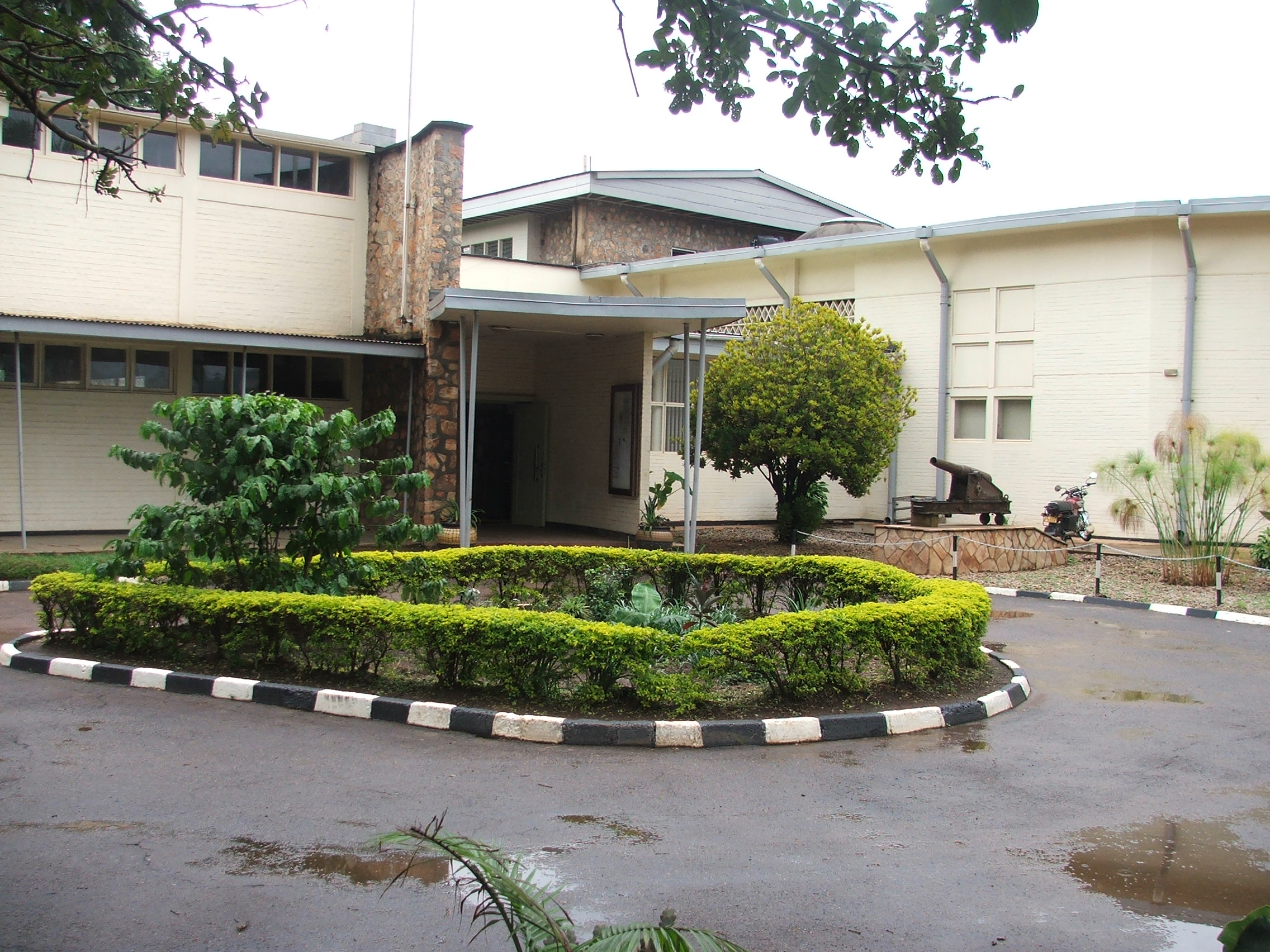
One of the main drivers of the Kampala tourism industry is its rich cultural heritage. The Kasubi Tombs, a UNESCO World Heritage Site, remains one of the most important cultural landmarks in Uganda. The site preserves the burial grounds of Buganda kings and offers insight into traditional architecture and royal customs.
The Uganda Museum showcases archaeological artifacts, musical instruments, and ethnographic exhibits that tell the story of Uganda’s diverse cultures. Meanwhile, the Gaddafi National Mosque offers panoramic views of the city skyline, attracting both worshippers and tourists.
Visitors also explore the Kabaka’s Palace in Mengo, local art galleries, and vibrant cultural festivals that highlight Uganda’s music and dance traditions. These attractions position Kampala as more than a transit city — it is a cultural experience in its own right.
Hospitality and Conference Tourism
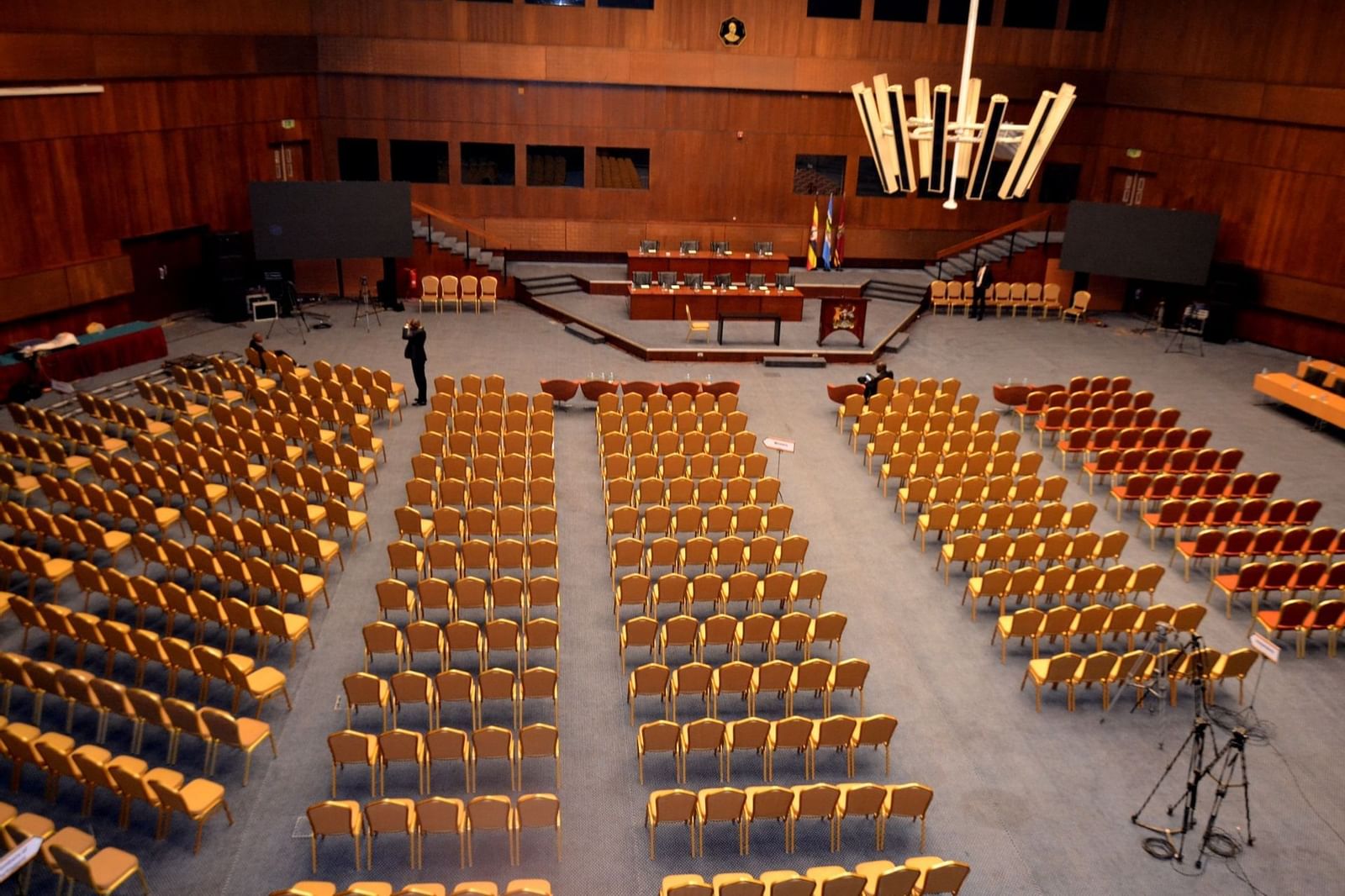
The hospitality sector plays a central role in the Kampala tourism industry. High-end hotels such as Kampala Serena Hotel and Speke Resort Munyonyo cater to business travelers, diplomats, and international conference attendees.
Kampala has increasingly positioned itself as a meetings, incentives, conferences, and exhibitions destination. Regional summits, corporate events, and government conferences generate consistent demand for hotels, transport services, and catering businesses. This conference tourism segment stabilizes the sector even during off-peak holiday seasons.
Additionally, mid-range hotels and boutique guesthouses have expanded rapidly, providing more affordable options for domestic and regional tourists.
Entertainment, Nightlife, and Urban Experience
Kampala’s nightlife has become one of the most dynamic in East Africa. Popular entertainment areas such as Kololo, Bugolobi, and Kabalagala host restaurants, lounges, and music venues that attract young travelers and diaspora visitors.
The city’s culinary scene also contributes to tourism growth. Visitors enjoy traditional Ugandan dishes alongside international cuisine. Food festivals and cultural events further enhance Kampala’s urban appeal.
Markets like Owino Market offer authentic local shopping experiences. Tourists often seek handcrafted goods, textiles, and souvenirs that reflect Uganda’s cultural identity.
Economic Impact of Tourism
Tourism contributes significantly to Uganda’s GDP, and Kampala benefits directly as the country’s entry point and administrative center. The sector supports thousands of jobs in hospitality, transport, tour operations, security, and entertainment.
Small businesses — from craft vendors to taxi operators — rely heavily on tourism flows. As the Kampala tourism industry expands, income opportunities increase across both formal and informal sectors.
Infrastructure investments, including road upgrades and improved urban planning within the Greater Kampala Metropolitan Area, further enhance visitor experiences and encourage repeat travel.
Challenges Facing the Sector
Despite steady growth, Kampala’s tourism industry faces several challenges.
Traffic congestion remains a major concern. Heavy traffic within the city can affect travel time and visitor satisfaction. Urban planning reforms and transport improvements are essential to address this issue.
Environmental management is another key area. As tourism grows, maintaining clean public spaces and protecting heritage sites becomes increasingly important.
Global economic uncertainty and regional security perceptions can also influence tourist arrivals. However, Kampala has demonstrated resilience by diversifying its tourism offerings beyond wildlife safaris.
The Future of Kampala’s Tourism Industry
Looking ahead, digital marketing and online booking platforms are expected to play a larger role in promoting Kampala as a destination. Social media visibility and influencer tourism campaigns have already increased the city’s global profile.
Eco-tourism initiatives around Lake Victoria and community-based tourism programs could further expand visitor options. Improved public transport systems and smart city initiatives may also enhance urban mobility for tourists.
With strategic planning and investment, the Kampala tourism industry can strengthen its position as a regional tourism hub. The combination of cultural heritage, hospitality growth, nightlife, and conference tourism makes Kampala a versatile destination.
Conclusion
The Kampala tourism industry is steadily transforming into a vital pillar of the city’s economy. From historic landmarks and cultural heritage to modern hotels and vibrant nightlife, Kampala offers a rich and diverse visitor experience.
As Uganda continues its broader economic growth trajectory, tourism in Kampala is likely to expand further. With improved infrastructure, sustainable planning, and strong marketing efforts, the city can solidify its status as one of East Africa’s most dynamic urban destinations.


