

Uganda’s long-anticipated commercial oil production is expected to begin reshaping the national economy in 2026. While oil fields are located in the Albertine region in western Uganda, the ripple effects will strongly influence Kampala, the country’s capital and commercial hub. The link between oil production and urban economic expansion is clear: as revenue, investment, and business activity rise, Kampala stands to benefit significantly.
The start of oil production marks a major milestone for Uganda. Large-scale investments in extraction, pipelines, and supporting industries are already underway. As these projects mature, Kampala’s role as the administrative, financial, and services center positions it to absorb much of the economic momentum.
In 2026, the connection between oil production and the Kampala economy is expected to become more visible. From financial services to construction, logistics, and hospitality, multiple sectors are likely to experience growth as Uganda enters its oil-producing era.
Oil Sector Overview and National Impact
Uganda’s oil development centers around major projects such as the Tilenga Project and the Kingfisher Project. These fields are supported by the construction of the East African Crude Oil Pipeline, which will transport crude oil to international markets.
Although drilling operations occur outside Kampala, the capital hosts headquarters of many energy companies, government ministries, regulatory agencies, and financial institutions involved in oil management. As oil revenues increase, Kampala becomes the central node for financial flows, corporate decision-making, and public administration.
Oil production is projected to contribute significantly to Uganda’s GDP growth from 2026 onward. Increased export earnings and foreign direct investment are expected to strengthen national fiscal capacity, which in turn supports urban infrastructure and public services in Kampala.
Job Creation and Business Expansion
One of the key ways oil production will boost the Kampala economy is through employment and business growth. While many technical jobs are based in oil fields, a large share of administrative, legal, financial, and consulting roles will operate from Kampala.
Professional services such as law firms, auditing companies, and engineering consultancies are expected to expand. Banks and financial institutions will also see increased activity as oil companies manage contracts, loans, and foreign exchange transactions.
Conference tourism may experience growth as Kampala hosts oil-related summits, investor forums, and policy discussions. High-end hotels and business centers will likely benefit from increased international visitors connected to the energy sector.
Additionally, local suppliers providing goods and services to oil companies often coordinate operations from Kampala. This includes logistics firms, procurement agencies, ICT providers, and security services.
Infrastructure Development and Urban Growth
Oil revenue creates opportunities for public infrastructure investment. Kampala’s roads, drainage systems, and public transport networks may receive upgrades as government revenue expands.
Improved fiscal space allows authorities to invest in urban planning initiatives within the Greater Kampala Metropolitan Area. These investments enhance productivity and attract further private sector confidence.
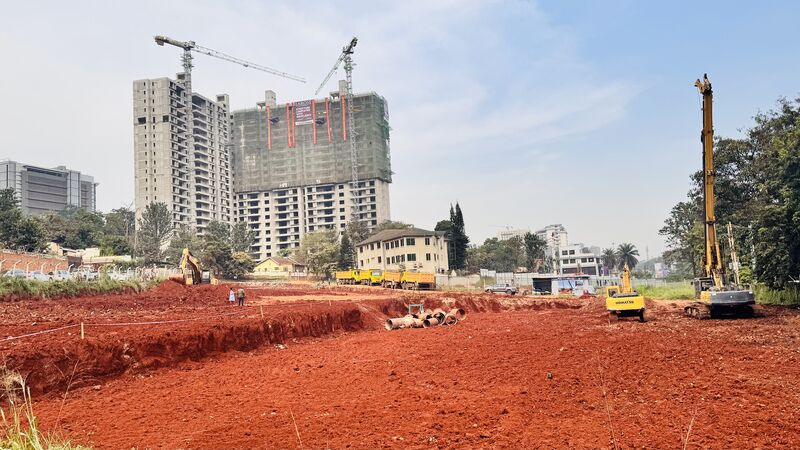
Real estate demand may also increase. As oil-sector professionals relocate or expand operations in Kampala, demand for office space, apartments, and commercial properties could rise. This trend has already begun with new mixed-use developments reshaping the city skyline.
Financial Sector Strengthening
Kampala’s financial sector is central to managing oil income. Institutions such as Bank of Uganda play a critical role in ensuring oil revenues are managed responsibly through sovereign wealth mechanisms and fiscal policies.
Prudent management of oil revenue will determine whether the economic boost translates into sustainable development. Transparent systems and stable macroeconomic policies are essential to avoid inflationary pressures and ensure balanced growth.
If well managed, oil production can support long-term investment in education, healthcare, and digital transformation within Kampala.
Opportunities for SMEs and Innovation
Oil-driven economic expansion is not limited to large corporations. Small and medium enterprises in Kampala stand to benefit from increased demand for services such as catering, transportation, IT support, and equipment supply.
Startups focusing on digital logistics, data management, and environmental monitoring may also find opportunities within the oil ecosystem. As Kampala strengthens its reputation as a business hub, innovation could thrive in parallel with traditional industries.
The multiplier effect of oil revenue means that even sectors not directly tied to energy may experience growth through increased consumer spending and improved economic confidence.
Risks and Challenges
While oil production presents opportunities, challenges remain. Rapid revenue growth can create inflationary pressures if not managed carefully. Urban congestion may intensify if infrastructure improvements do not keep pace with population and business expansion.
Environmental concerns linked to oil extraction also require careful oversight. Kampala, as the administrative center, will play a role in ensuring environmental policies and sustainability measures are enforced effectively.
Additionally, reliance on oil revenue carries long-term risks if global oil prices fluctuate significantly. Diversifying the economy remains important to ensure balanced and stable growth.
Conclusion
Oil production Kampala economy dynamics are set to define a new phase of urban growth in 2026. Although oil fields lie far from the capital, Kampala will experience significant economic spillovers through financial services, business expansion, infrastructure investment, and increased employment opportunities.
If managed wisely, oil revenue can strengthen Kampala’s position as a regional business hub and drive sustainable development. However, careful fiscal management, infrastructure planning, and economic diversification will be essential to ensure that the oil boom translates into lasting prosperity.
As Uganda steps into its oil-producing era, Kampala stands ready to absorb the benefits — positioning itself at the center of a transformative economic chapter.


