Uganda’s Agricultural Expansion into China
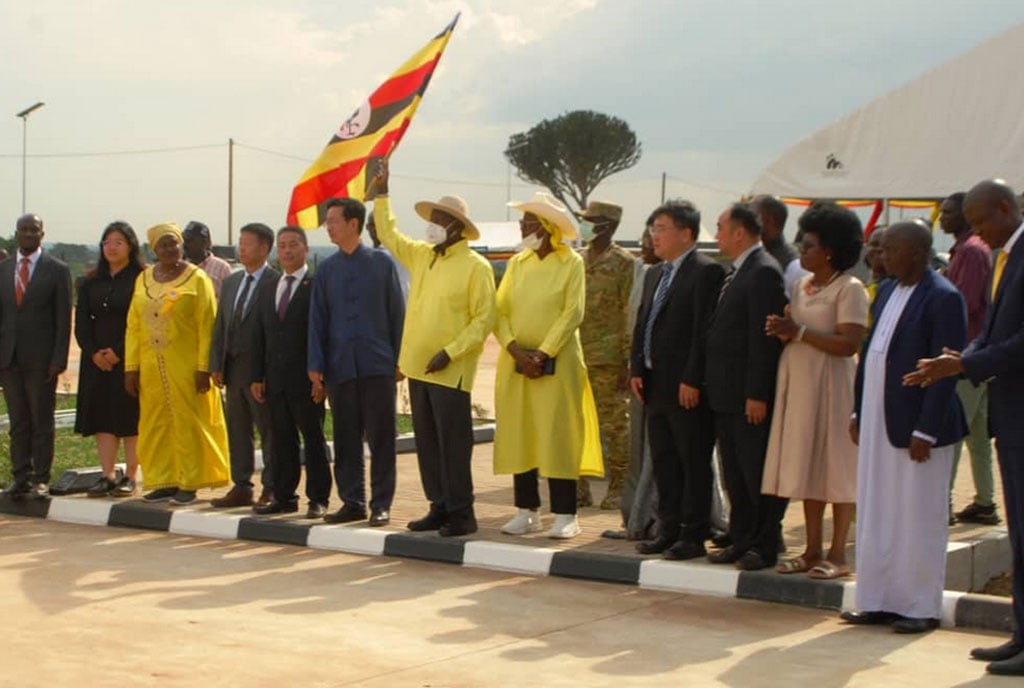
In a groundbreaking move, President Yoweri Kaguta Museveni officially flagged off the first-ever shipment of dried chili peppers to China, marking a significant step for Uganda’s agricultural export sector. The shipment, leaving Entebbe International Airport, is expected to open doors for more Ugandan agricultural products in one of the world’s largest and most lucrative markets. Uganda is eager to diversify its exports, reduce reliance on traditional commodities like coffee, and tap into China’s expanding consumer market. This achievement highlights the country’s growing ambitions to enhance its agricultural presence globally.
This milestone follows several years of growing trade relations between Uganda and China. The two nations have collaborated on several sectors, including agriculture, infrastructure, and technology. By securing a place in China’s agricultural market, Uganda aims to strengthen its agricultural sector, improve rural livelihoods, and create more job opportunities. This step toward global market access also opens new opportunities for Ugandan farmers, many of whom face limited access to international markets. The dried chili export signals Uganda’s desire to increase its global competitiveness in high-value agricultural sectors.
The Significance of Dried Chili Exports for Uganda
Uganda’s agricultural sector plays a crucial role in its economy, providing jobs for a large portion of the population. For years, Uganda has relied heavily on exports like coffee, tea, and flowers. However, value-added products like processed spices have not yet reached their full potential. The rise of the global spice market, especially in Asia, offers Uganda an opportunity to enter a high-demand sector. Chili peppers, used in culinary dishes and for medicinal purposes, are gaining popularity in markets worldwide, including China.
China, one of the largest consumers of chili peppers globally, provides an immense opportunity for Uganda’s spice industry. Uganda’s unique climate, ideal for chili cultivation, gives it a competitive edge in producing high-quality dried chili. The successful shipment will not only boost Uganda’s foreign exchange earnings but also create jobs, enhance local production capacity, and build a reliable supply chain. Uganda plans to continue this momentum by exporting other agricultural products, aiming for greater diversification and sustainability in its export strategy.
China’s Growing Demand for Specialty Agricultural Products
China’s demand for high-quality agricultural products continues to rise, especially as the middle class expands and diversifies its consumption habits. The country is already one of the world’s largest consumers of chili peppers, and its demand for spices has grown significantly in recent years. Uganda’s ability to meet this demand places the country in a favorable position to supply China’s vast market. In addition to chili, Uganda plans to introduce other specialty crops such as sesame, avocados, and organic vegetables.
As global trade patterns shift, countries like China are increasing their imports of organic and traceable products. Uganda’s growing agricultural sector is well-positioned to take advantage of these trends. However, the success of Uganda’s agricultural exports depends on maintaining quality, consistency, and competitive pricing, all of which can be achieved with further investment in farming techniques and processing infrastructure.
Strengthening Bilateral Trade Relations with China
The export of dried chili to China represents a significant milestone in Uganda-China trade relations. In recent years, the two countries have strengthened their economic ties, with China becoming Uganda’s largest trading partner. China has invested heavily in Uganda’s infrastructure, including roads, power plants, and telecommunications. These investments have improved Uganda’s trade capacity and logistics infrastructure, making it easier to reach international markets.
By expanding its agricultural exports to China, Uganda aims to diversify its trade portfolio and ensure long-term economic sustainability. China’s vast consumer base provides an opportunity for Uganda to explore not only spices but also other value-added agricultural products, such as processed fruits, nuts, and dried vegetables. This collaboration aligns with Uganda’s broader strategy of building stronger international trade relationships that help boost the country’s economic resilience.
Enhancing Uganda’s Agricultural Sector and Export Capacity
The export of dried chili peppers marks the beginning of Uganda’s deeper engagement with global markets. The government aims to increase investment in agriculture, focusing on value-added production, improved processing facilities, and better logistics. The development of a robust agricultural export infrastructure will be critical to sustaining this growth. Uganda also aims to improve agricultural productivity through the adoption of modern farming techniques, which will enable farmers to increase their output and meet global market demands.
In addition to enhancing productivity, the government will focus on creating value chains that benefit local farmers. By linking smallholder farmers to larger processing companies, Uganda can create jobs, boost incomes, and improve rural economies. The country’s ability to scale up production and improve its logistical capacity will also be essential for sustaining export growth. Strategic investments in cold storage, packaging, and transportation will help preserve the quality of agricultural products and reduce losses during transit.
President Museveni’s Role in Promoting Trade and Agriculture
President Museveni has long been an advocate for economic diversification and agricultural transformation. His involvement in the dried chili shipment underscores the government’s commitment to supporting the agricultural sector. Museveni’s leadership has focused on improving market access for Ugandan farmers, providing them with better access to financing, and encouraging technological advancements in farming. His push for more value-added agricultural exports aligns with Uganda’s broader strategy of reducing reliance on commodity exports and creating sustainable economic growth through industrialization.
Under Museveni’s leadership, Uganda has worked to enhance agricultural policies, improve infrastructure, and foster public-private partnerships to support the sector. These reforms are critical to expanding Uganda’s role in global food supply chains and ensuring the long-term success of agricultural exports.
A Bright Future for Uganda’s Agricultural Exports
The dried chili shipment to China represents a significant achievement for Uganda’s agricultural sector and sets the stage for future growth. With continued investment, improved infrastructure, and stronger trade relations with key partners like China, Uganda can position itself as a leader in the global agricultural export market. This success story highlights the potential for agricultural innovation and trade partnerships to create lasting economic benefits for Uganda and its people.
Uganda’s agricultural future is bright. As the country diversifies its export portfolio, it will not only strengthen its economy but also provide new opportunities for farmers, entrepreneurs, and workers across the nation. The dried chili export to China is just the beginning, and Uganda’s agricultural sector has the potential to thrive in the global marketplace for years to come.