Why the US Suspended Afghan Immigration Requests
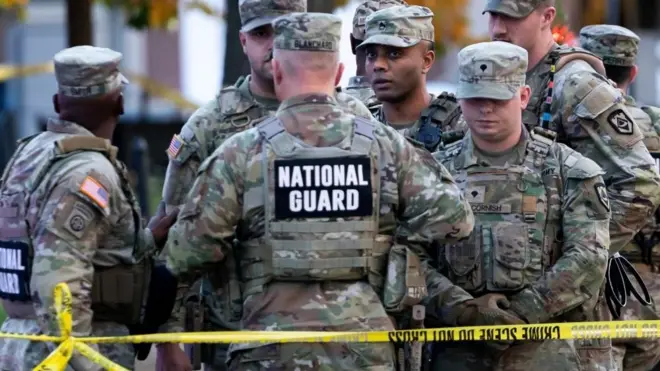
The United States has suspended processing all immigration applications for Afghan nationals after a tragic shooting near the White House in Washington, D.C. Two members of the United States National Guard (US National Guard) were critically wounded when a gunman opened fire while they patrolled near Farragut West metro station. The suspect, identified as Rahmanullah Lakanwal, an Afghan national who arrived in the U.S. in 2021 under the Operation Allies Welcome program, has been linked to the shooting. Following the attack, U.S. Citizenship and Immigration Services (USCIS) announced an immediate halt to all immigration requests involving Afghan nationals, citing a need to review security and vetting protocols.
The decision to pause immigration processing is unprecedented and has raised significant concerns among Afghan applicants and their advocates. Thousands of Afghan nationals awaiting visas, asylum decisions, or resettlement now face an uncertain future, as they wait for the U.S. government to clarify the next steps in their immigration journey. While security concerns remain at the forefront, critics argue that this decision could put at risk the safety of vulnerable individuals who sought refuge in the U.S. after fleeing the violence and instability in Afghanistan.
What This Means for Afghans and Immigration Applicants
For many Afghan nationals who are already in the U.S. or waiting for relocation, this suspension represents a significant blow to their hopes of resettlement. These individuals had been placed in a precarious position when the U.S. withdrew from Afghanistan in 2021, and Operation Allies Welcome was implemented to evacuate those who assisted U.S. forces. This suspension now leaves thousands of families uncertain about their futures, with some potentially being forced to return to the dangers they fled. Advocates for Afghan refugees have expressed concern that this will erode the trust many had placed in U.S. immigration systems, especially when the pause comes after years of waiting for processing.
Moreover, many of the suspended applicants, who have already been vetted and cleared by U.S. authorities, are now facing delays that could last for months or even years. These delays affect not only the immediate applicants but also the broader Afghan community, many of whom had begun to rebuild their lives in the U.S. They now face additional stress and uncertainty as a result of this policy shift.
The Government’s Security and Policy Response
In response to the shooting, U.S. President Donald J. Trump condemned the attack, calling for a review of the vetting procedures for Afghan nationals entering the country. Trump’s statements have led to increased scrutiny of U.S. immigration policies, particularly regarding the safety and background checks of evacuees. According to the Department of Homeland Security (DHS), the U.S. government is taking immediate steps to tighten security protocols, including reviewing background checks and increasing the scrutiny of applicants’ histories.
U.S. authorities have launched a full investigation into the shooting and are examining the suspect’s background to determine if there were any further links to extremist groups or terror networks. This incident has reignited the debate on how to balance national security with the commitment to providing asylum and refuge to those fleeing persecution. USCIS has assured the public that they are working diligently to resolve the situation but has not provided a timeline for when immigration processing will resume.
Broader Implications for Asylum, Refugees, and U.S. Immigration Policy
This suspension is part of a broader reevaluation of U.S. immigration policies. Since the U.S. withdrawal from Afghanistan, there has been increased pressure on the government to ensure that those fleeing conflict are properly vetted. The temporary suspension of immigration applications reflects the growing concerns about security within the U.S., particularly as more high-profile attacks have occurred in recent months.
This decision will likely have far-reaching consequences for future refugee admissions. Some experts fear that the suspension could send a message to other potential refugees and asylum seekers that the U.S. may not be as welcoming as it once was. It may also affect U.S. relationships with countries that have relied on American support for refugee resettlement programs. The shift in policy could disrupt the international system for processing refugees, making it harder for vulnerable populations to find safe haven.
What Afghans and Advocates Are Saying
Many Afghans and their advocates are deeply concerned about the impact of this suspension on individuals already approved for relocation. They argue that halting applications could have devastating consequences, particularly for those whose lives are at risk. Human rights organizations have called for the U.S. government to find a balance between security concerns and humanitarian needs. Some advocates believe that the freeze unfairly targets Afghan evacuees, many of whom risked their lives to assist U.S. forces during the war.
Advocacy groups are also calling on the U.S. to find alternative methods for ensuring that those in immediate danger are not left without protection. Legal teams are preparing to challenge the suspension in court, arguing that it violates the U.S. commitment to providing refuge to those who have supported American efforts abroad.
What Happens Next — Uncertain Future, High Stakes
- Review Underway: USCIS and the U.S. Department of Homeland Security (DHS) are reviewing the vetting process for Afghan immigration. They have not stated when the suspension will end or if certain cases will be prioritized.
- Pending Asylum and Visa Cases: Thousands of Afghan applicants must now wait indefinitely for decisions, with no clarity on when their cases will be processed.
- Stricter Security Checks and Delays: If the suspension is lifted, Afghan nationals may face more intense scrutiny and longer wait times due to heightened security measures.
- Impact on Afghan Communities and Allies: The decision raises questions about the U.S. government’s commitment to its allies in Afghanistan, particularly those who supported U.S. forces during the war.
Uncertain Path Ahead for Afghan Immigration
The U.S. government’s decision to suspend immigration requests for Afghan nationals marks a pivotal moment in the country’s refugee and immigration policy. While the suspension is rooted in security concerns, it threatens to disrupt the lives of thousands of Afghan families who are already facing hardship. As the situation continues to unfold, there are calls for the U.S. to act swiftly to restore confidence in its immigration system and ensure that vulnerable individuals are not left stranded. For now, the future of Afghan immigration to the U.S. remains uncertain, with many hoping that the policy will be reevaluated and that the U.S. will resume its support for those who need it most.