
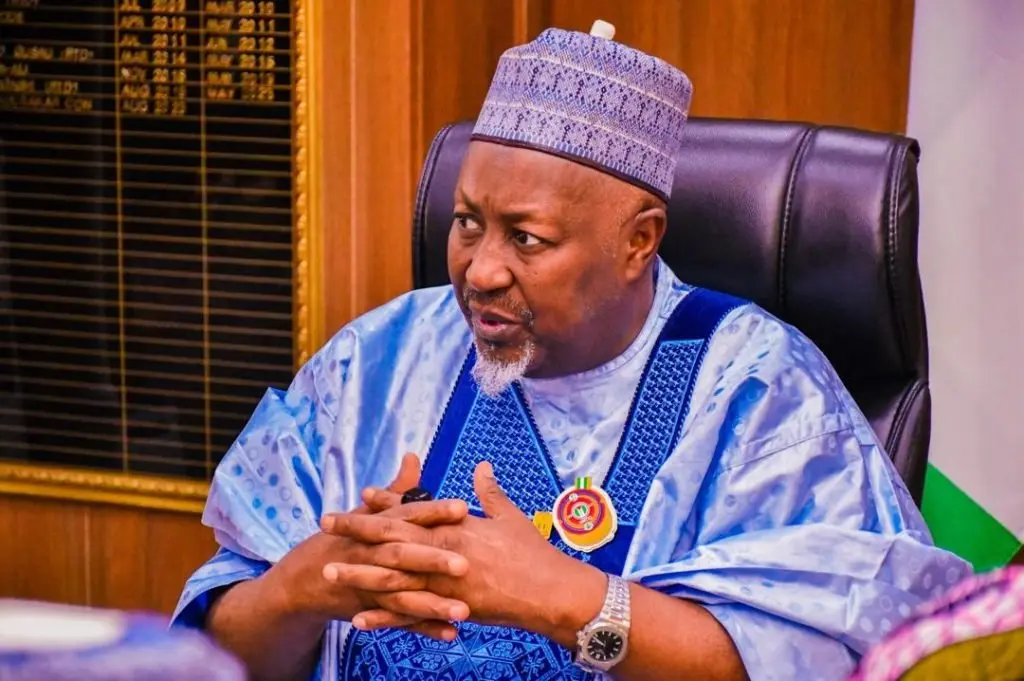
Nigeria’s defence minister has resigned as the country continues to battle a surge in mass kidnappings that has shaken public confidence and intensified pressure on the federal government. His departure marks one of the most significant political consequences of the worsening security crisis, which has affected several states and left hundreds of families in distress.
According to senior government officials, the minister submitted his resignation to President Bola Tinubu late Monday, citing the need for “new leadership” to confront the alarming rise in abductions. The presidency confirmed the development but offered no details about his successor or the timeline for a replacement.
Growing Outrage Over Rising Abductions
The minister’s resignation follows weeks of national outrage triggered by a series of high-profile kidnappings. In several northern and central states, armed groups abducted large numbers of civilians, including schoolchildren, farmers, commuters, and local officials. These attacks sparked protests in Abuja, Kaduna, and Katsina, where residents demanded stronger federal action.
Many Nigerians criticized the government for failing to prevent repeated assaults carried out by well-organized criminal gangs. Community leaders said the minister’s departure reflects the seriousness of the crisis and the urgent need for a more effective security strategy.
Pressure From Lawmakers and Security Officials
Federal lawmakers intensified their demand for change as kidnappings increased across major highways and rural communities. Several members of the National Assembly argued that the defence ministry needed new leadership, especially as the armed forces faced significant challenges in responding to attacks spread across a wide geographic area.
Security analysts believe the minister’s resignation may signal internal disagreements about the country’s counter-kidnapping approach. Some officials argued for stronger military intervention, while others pushed for more intelligence-driven operations and community partnerships.
Impact on Communities Across the Country
The kidnapping crisis has affected everyday life in many regions. Parents fear sending their children to school. Farmers avoid distant fields due to the risk of ambush. Transport unions report reduced travel on major roads, especially at night, as travellers worry about armed groups targeting buses and private vehicles.
Human rights organizations say the emotional and economic fallout of the crisis has been severe. Many families have sold property, livestock, and valuables to raise ransom payments. Others have watched negotiations collapse, leaving loved ones in captivity for weeks or months.
Government Searches for New Security Direction
President Tinubu now faces pressure to appoint a defence minister who can restore confidence in the federal response. The government is considering new strategies that include expanded military deployments, cooperation with local vigilante groups, and increased investment in intelligence gathering. Several officials also proposed creating rapid-response teams equipped to intervene more quickly when kidnappings occur.
Although the presidency promised a stronger national plan, critics say past security reforms often lacked follow-through. They argue that the new minister must take a more coordinated approach that addresses both armed bandits and broader issues like poverty, youth unemployment, and weak policing.
Calls for Accountability and Transparency
Civil society organizations say the resignation should not end the call for accountability. They want a public review of recent security failures and greater transparency around military spending. They also stress that victims must receive support, including trauma care and economic assistance.
As Nigeria searches for a new defence minister, the urgency remains high. Kidnapping groups continue to strike, and communities across the country are pleading for decisive action. The resignation marks a turning point, but many Nigerians believe that true progress will depend on what the government does next.


