
Uganda’s ruling party, the National Resistance Movement (NRM), has confirmed that 17 of its candidates have secured parliamentary seats unopposed ahead of the 2026 general elections. The development gives the party an early numerical advantage in Parliament even before voters head to the polls in contested constituencies.
Party officials say the unopposed victories span several regions of the country. In each case, no rival candidates submitted nomination papers within the legally prescribed period. As a result, the Electoral Commission declared the candidates elected in accordance with Uganda’s electoral laws.
How Unopposed Parliamentary Seats Are Won
Under Uganda’s electoral framework, a parliamentary candidate wins unopposed when no challenger files valid nomination papers. Once the nomination window closes, the Electoral Commission of Uganda formally declares the candidate elected.
This process removes the need for campaigning or voting in those constituencies. The law treats unopposed candidates as duly elected representatives of their areas.
NRM officials say all 17 candidates met the nomination requirements. They also complied with party and electoral guidelines.
Early Parliamentary Advantage for NRM
The unopposed seats give the National Resistance Movement a guaranteed presence in the 11th Parliament before polling begins elsewhere. Political analysts say this early gain strengthens the party’s strategic position.
With seats already secured, the ruling party can focus its resources on competitive races. Campaign teams can redirect funding, logistics, and mobilization efforts to battleground constituencies.
Analysts also say early wins boost morale within the party. They signal organizational strength and grassroots dominance in certain areas.
Implications for Parliamentary Power
A strong showing of unopposed MPs can shape parliamentary dynamics. Analysts say it helps the ruling party plan committee leadership, legislative priorities, and voting strategies early.
Parliamentary majorities often influence budget approvals and key policy decisions. As a result, early seat confirmation reduces uncertainty for the ruling party leadership.
However, analysts also note that final parliamentary strength depends on results from contested constituencies. The opposition still has opportunities to influence the balance of power.
Why Some Constituencies Go Uncontested
Political observers cite several reasons for unopposed races. Strong incumbency remains a major factor. Sitting MPs often enjoy name recognition and established networks.
In some areas, the NRM’s grassroots structures discourage challengers. Local party organization can make campaigns costly and difficult for rivals.
Economic factors also play a role. Campaigning requires significant financial resources. Potential candidates sometimes withdraw after assessing the costs and chances of success.
Opposition and Democratic Debate
Opposition parties often criticize unopposed victories. They argue that limited competition weakens democratic choice. Some activists say voters benefit most when multiple candidates contest elections.
Other analysts take a different view. They argue that unopposed outcomes reflect political realities on the ground. According to this perspective, aspirants make strategic decisions based on local support patterns.
The debate highlights broader questions about political competition and access in Uganda’s electoral system.
Electoral Commission’s Role Going Forward
As the NRM secures unopposed seats, the Electoral Commission continues preparations for voting in contested constituencies. Officials say they remain focused on delivering a credible election.
The commission has urged candidates, voters, and party agents to follow electoral guidelines. It has also emphasized peaceful campaigning and respect for the law.
Election officials say they will announce results only after proper verification and tallying.
National Political Context
The parliamentary developments unfold alongside an intense presidential race. President Yoweri Kaguta Museveni leads the ruling party’s national campaign.
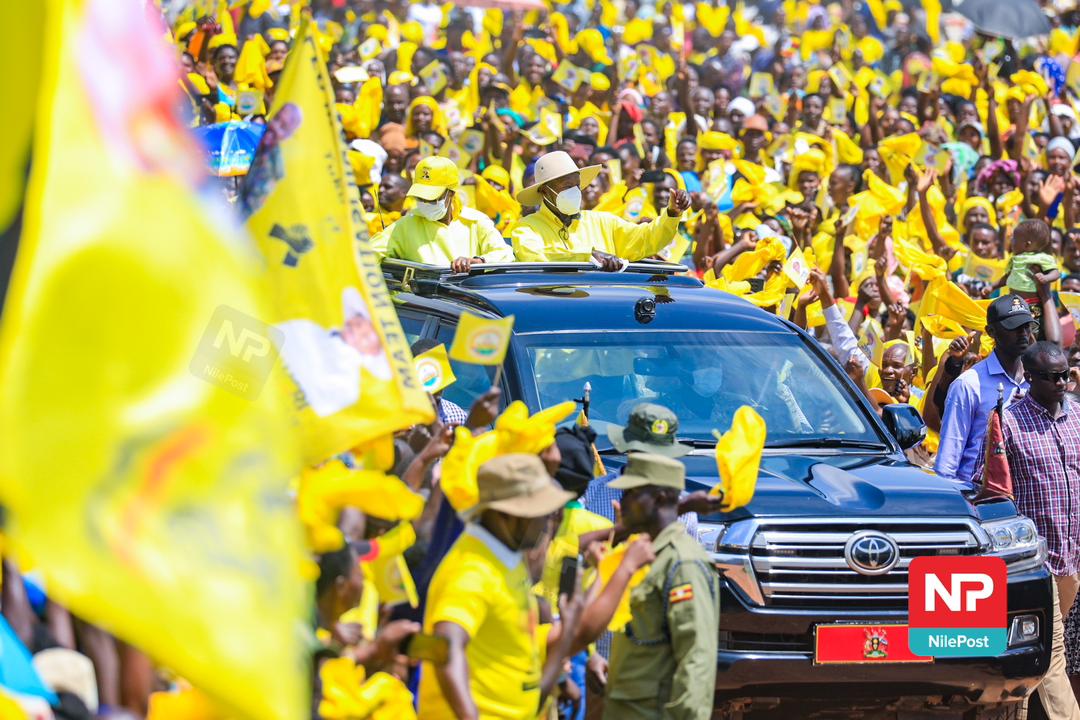
Recent appearances by the president and First Lady Janet Kataaha Museveni in Bushenyi highlight ongoing mobilization efforts. The ruling party continues to project unity and organizational strength ahead of polling day.
What to Watch as Elections Near
Attention now shifts to constituencies with competitive races. Campaigns continue across the country as candidates seek voter support.
Analysts say the final composition of Parliament will depend on turnout, regional dynamics, and campaign effectiveness. While unopposed seats offer an early advantage, contested races will determine overall balance.
As Uganda approaches the 2026 polls, the confirmation of 17 unopposed MPs underscores the strategic position of the ruling party. At the same time, it renews debate about political competition, representation, and the future shape of Parliament.


