
Uganda’s Electoral Commission has released the first preliminary results from the 2026 presidential election, giving the public an early view of national voting trends. The figures place incumbent President Yoweri Kaguta Museveni in the lead. However, the commission has stressed that the data reflects only a very small portion of the total vote.
Election officials say the release aims to promote transparency and public confidence as the tallying process continues across the country. At this stage, the results remain provisional and may change significantly as more polling stations submit returns.
Overview of the Electoral Process
The Electoral Commission of Uganda confirmed that 21,649,067 voters registered for the 2026 elections. Authorities established 50,739 polling stations nationwide to accommodate voters in urban, rural, and remote areas.
So far, officials have received results from only 133 polling stations. These stations account for 23,845 votes counted. This represents a tiny fraction of the national vote, underscoring how early the process remains.
Early Vote Tally and Leading Candidates
From the valid votes counted, President Museveni has secured 14,232 votes. This gives him 61.7 percent of the early tally. Analysts say early reporting often comes from areas with faster transmission systems.
National Unity Platform leader Robert Kyagulanyi Ssentamu, widely known as Bobi Wine, follows with 7,753 votes. His share stands at 33.64 percent of the votes counted so far.
Forum for Democratic Change candidate Nandala Mafabi has so far received 560 votes. This places him at 2.43 percent in the preliminary results.
Performance of Other Presidential Contenders
Other candidates remain far behind in the early count. These include Mugisha Muntu, Mubarak Munyagwa, Frank Bulira, Robert Kasibante, and Joseph Mabirizi.
Together, these candidates account for less than three percent of the votes counted. Analysts caution that early figures do not reflect final national support. Later results may alter rankings and percentages.
Invalid and Disputed Ballots
The commission reported 796 invalid votes in the initial tally. Officials say voter marking errors caused most of these ballots to fail validation.
The EC also recorded 37 disputed votes. Election officials will review these ballots under strict legal procedures before including them in the final count.
EC Position on Transparency and Updates
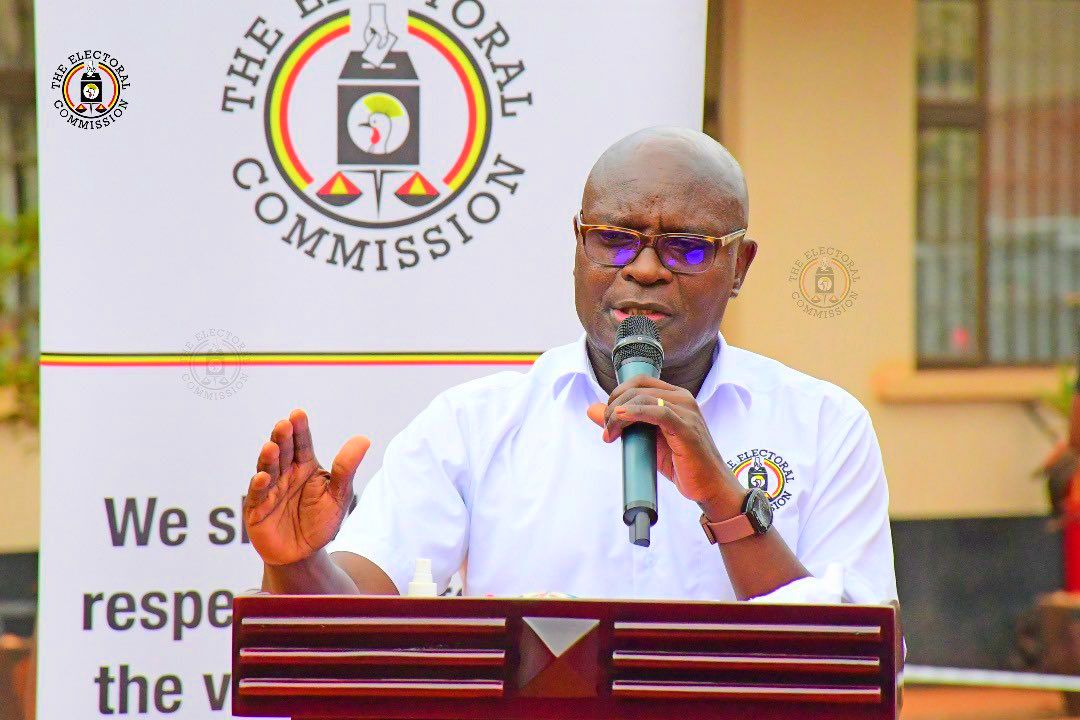
EC chairperson Simon Byabakama said the commission released the results to keep citizens informed. He explained that officials publish updates only after verifying declaration forms from returning officers.
The commission described the figures as an early snapshot of voting trends. It urged the public to avoid speculation or premature conclusions.
Regional Voting Patterns and Analysis
Political analysts note that Uganda’s voting patterns vary widely by region. Some areas traditionally report faster due to better infrastructure and logistics.
As a result, early tallies often reflect regional strengths rather than nationwide sentiment. Analysts say significant shifts may occur once results arrive from slower-reporting districts.
Challenges During Voting and Counting
The election process has faced isolated logistical challenges. Some polling stations opened late. Others experienced technical issues with biometric voter verification kits.
The commission says teams resolved most issues quickly. Officials insist that these challenges did not compromise the integrity of the vote.
Public Conduct and Security Advisory
The Electoral Commission has urged political parties, candidates, and supporters to remain calm. It warned against sharing unofficial results on social media.
Security agencies have echoed this message. They have called on citizens to respect the electoral process and maintain peace as counting continues.
Timeline for Next Results Release
The commission announced that it will issue the next official update at 9:00 AM on January 16, 2026. Officials expect a larger volume of polling station results by then.
As Uganda awaits further updates, the preliminary figures highlight the scale and complexity of the national election. They also reinforce the importance of patience until the commission completes the full tally.
The final outcome will only become clear once officials verify and consolidate results from all 50,739 polling stations nationwide.


