

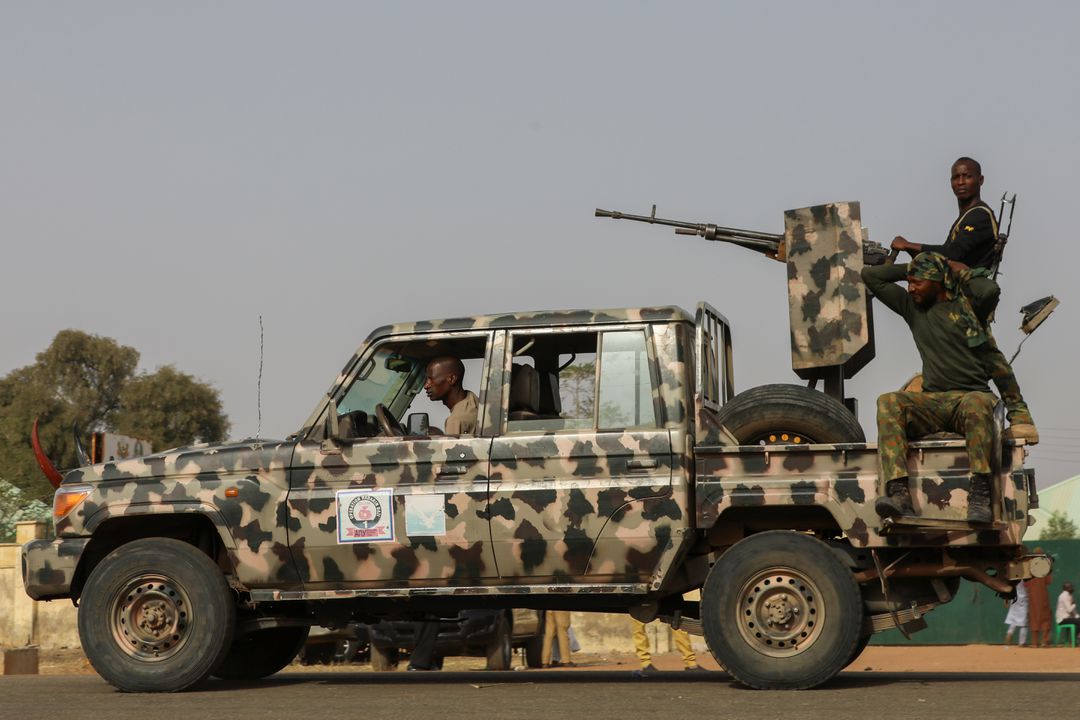
The $1.58 billion U.S.–Nigeria security alliance now faces rising political uncertainty as both nations reassess defense priorities and regional challenges. For more than a decade, this partnership supported counterterrorism operations, intelligence sharing and military capacity building across Nigeria and the wider Sahel. Today, new pressures in politics, regional stability and economic realities have pushed the alliance into a sensitive phase. Nigeria seeks stronger control over its security agenda, while the United States reviews global commitments in a fast-changing geopolitical landscape.
How the Alliance Was Built
The alliance grew through defense agreements, training programs and equipment support. Nigeria received advanced surveillance tools, air support platforms and intelligence coordination systems. The funding also strengthened border security, crisis response and maritime patrols. These efforts targeted violent groups that threatened major cities, trade routes and rural communities. The partnership aimed to build a stronger, more responsive Nigerian force capable of confronting complex threats. It also supported humanitarian programs in regions affected by conflict and displacement.
Why the Alliance Now Faces Pressure
Political changes in Nigeria have generated new debates about foreign security influence. Leaders want stronger national control and more transparency. Some argue that long-standing agreements need updates to match current security realities. Public pressure also shapes the conversation, as citizens question the results of years of conflict spending. In the United States, global competition and shifting defense priorities push policymakers to examine long-term commitments. They want measurable results and efficient use of resources. These pressures now shape discussions on the future of the alliance.
Regional Challenges Affecting Cooperation
Security challenges in West Africa have grown more diverse. Extremist groups operate across borders, creating new risks for Nigeria and its neighbors. Banditry, kidnapping and rural conflict have expanded in scale. Piracy in the Gulf of Guinea threatens shipping lanes and economic activity. Nigeria faces threats in multiple regions, each requiring different strategies. The original partnership focused heavily on counterterrorism, but Nigeria now needs wider support for technology, intelligence and community-level security. This mismatch adds strain to the existing agreement.
What Nigeria and the United States Could Lose
If uncertainty continues, the two countries risk losing strategic advantages. Nigeria may face weaker intelligence support and reduced access to specialized equipment. Training programs that helped elite units could slow or stop. The country may also struggle to coordinate regional operations without strong partners. The United States could lose influence in a region where global powers seek a stronger presence. Nigeria remains a major economy and a key diplomatic voice. Reduced cooperation would limit Washington’s ability to shape regional stability, maritime security and counterterrorism strategy.
Paths Toward Renewal and Reform
There are options for strengthening the alliance. Both sides could modernize the agreement to address new threats such as cybercrime, maritime insecurity and border technology gaps. They could also improve accountability and share clearer performance targets. Nigeria may seek a more balanced partnership that respects sovereignty while keeping access to advanced tools and expertise. Dialogue between officials from both governments will shape these reforms. Stability in West Africa depends on strong cooperation, and both nations understand the stakes. The alliance will survive only if it adapts to the current environment and creates space for shared goals.
The $1.58 billion U.S.–Nigeria security alliance remains important despite the uncertainty. Its future depends on political decisions, regional dynamics and the ability of both countries to align their strategies in a changing world.


