
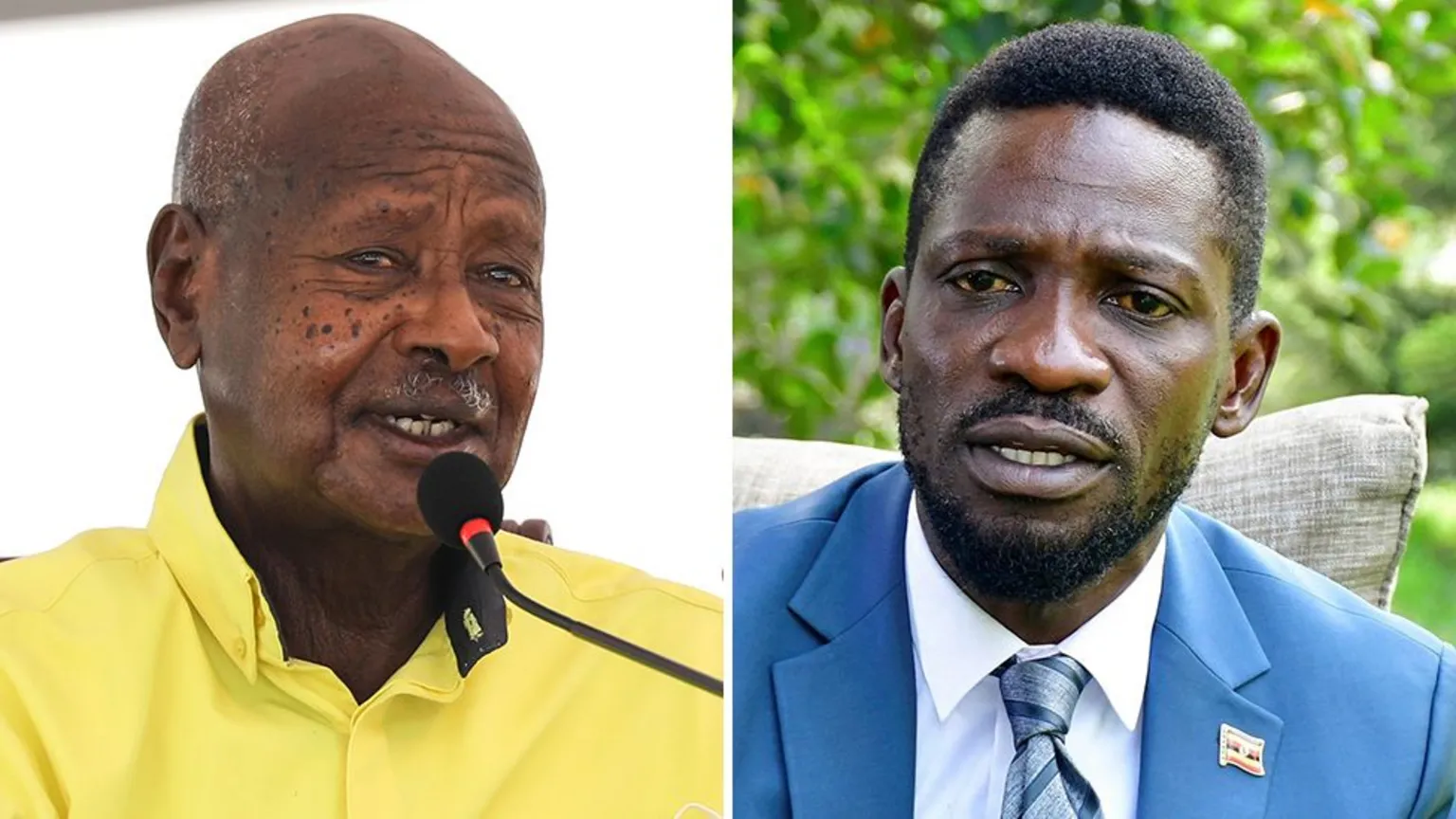
As Ugandans prepare to cast their votes in the 2026 presidential election, the nation faces a pivotal moment in its political history. Voters will have to decide between Yoweri Museveni, who has been in power for over 40 years, and Bobi Wine, a pop star-turned-politician seeking to bring about democratic reform and challenge the status quo. This election presents more than just a battle between two men; it represents a fight for the future of Uganda—its political landscape, its governance, and the voices of its youth.
For Bobi Wine, the 43-year-old former musician, this will be his second attempt to unseat Museveni, who is now 81. Museveni’s National Resistance Movement (NRM) has controlled Uganda for over four decades, but Bobi Wine, with his message of change and hope, has captivated a growing base of young Ugandans who feel left behind by the status quo. The 2026 election comes at a time when youth unemployment, corruption, and the lack of opportunities have become key issues for the country, making this one of the most important elections in Uganda’s post-independence history.
The Candidates: The Veteran Leader vs. The Revolutionary Challenger
Yoweri Museveni, Uganda’s longest-serving president, came to power in 1986 after leading a guerrilla war that ousted the dictatorial regime of Idi Amin. For much of his rule, Museveni was seen as a symbol of stability and democratic hope, especially after the brutal civil wars that had torn Uganda apart. However, over the years, his presidency has been marked by growing allegations of human rights abuses, corruption, and political repression. Critics argue that while Museveni once promised democracy, he has turned into an authoritarian leader who will stop at nothing to hold onto power, even going so far as to remove term limits and age limits from the constitution to ensure his continued reign.
In contrast, Bobi Wine, born Robert Kyagulanyi Ssentamu, represents a new generation of Ugandans who are demanding change. As a musician and activist, Bobi Wine has used his fame to speak out against the corruption and political repression that have plagued Uganda under Museveni’s rule. His People Power Movement, which later became the National Unity Platform (NUP), champions democratic values, human rights, and the redistribution of wealth. Bobi Wine has energized Uganda’s youth, many of whom see him as a hopeful alternative to Museveni’s long-standing rule.
Campaign Issues: Economic Struggles, Youth Unemployment, and the Call for Change
One of the major issues at the heart of the 2026 election is economic reform, particularly the skyrocketing youth unemployment rate. Uganda has a young population, with more than 70% of the country under the age of 30. Yet, youth unemployment remains high, with limited opportunities for young people to find work or succeed in the job market. Bobi Wine has made this issue the cornerstone of his campaign, promising to create jobs, improve education, and build a more equitable economy that works for everyone, not just the elite.
While Museveni’s government has presided over economic growth, many argue that it has failed to benefit the majority of Ugandans, especially the youth. Bobi Wine’s message resonates with young people who feel left behind, and his platform centers around creating a more inclusive economy, tackling corruption, and ensuring that Uganda’s resources are better used for the public good rather than enriching a small political elite.
The Battle for Democracy: Political Repression and Human Rights
Bobi Wine’s political journey has been marked by repression and violence. Since entering politics, he has been arrested multiple times, faced harassment from security forces, and witnessed his supporters being attacked. The 2021 presidential election was particularly violent, with Bobi Wine being targeted by the security forces. His rallies were disrupted, and there were widespread reports of vote-rigging and violence against opposition supporters. Amnesty International has described the government’s actions as a brutal campaign of repression aimed at stifling dissent.
Bobi Wine’s opposition rallies have been met with tear gas, water cannons, and beatings by the police. The government, however, insists that these actions are necessary to maintain law and order, while critics argue that they are part of a broader strategy to suppress democracy and eliminate political competition.
Despite these challenges, Bobi Wine has remained steadfast, arguing that his campaign is about liberation and freedom. He remains a symbol of resilience and hope for many Ugandans who believe that the country can be more than just a one-party state.
Election Fairness: Concerns About Integrity and Transparency
The fairness of Uganda’s elections has always been a subject of concern. While government officials insist that the 2026 election will be free and fair, opposition leaders, including Bobi Wine, have raised serious doubts. Election observers and human rights organizations have warned of a “pervasive climate of fear” in Uganda, where opposition supporters are routinely harassed and arrested. The electoral commission has also been criticized for its lack of independence, and many fear that vote-rigging and other forms of electoral fraud could distort the outcome.
To counter this, Bobi Wine’s campaign has encouraged voters to protect their ballots and ensure that their votes are counted fairly. Bobi Wine’s supporters have also developed innovative methods, such as a vote-monitoring app that uses Bluetooth technology, to circumvent potential internet shutdowns that could be used to block election results.
The Military’s Influence: Will Bobi Wine’s Message Resonate with the Armed Forces?
Another significant challenge that Bobi Wine faces is the military’s role in Uganda’s politics. Museveni’s National Resistance Army (NRA), which brought him to power in 1986, remains a dominant force in Ugandan politics, and Museveni has consistently relied on the military to maintain his rule. Bobi Wine, who has no military background, is seen by some as an outsider, which raises concerns about whether he can gain the support of the military if he were to win.
Bobi Wine, however, rejects these concerns, arguing that Uganda has long been ready for civilian leadership. He points to Uganda’s constitution, which mandates that the military must be subordinate to civilian authority, and insists that his background as a musician, activist, and community organizer should not disqualify him from leading the country.
A Defining Election for Uganda’s Future
As the 2026 presidential election approaches, Uganda is at a crossroads. Bobi Wine represents the hope for a new generation of leaders who want change, while Museveni represents the continuation of a system that has been in place for over 40 years. The outcome of this election will determine whether Uganda remains under the rule of a long-standing regime or whether it embarks on a new era of democratic governance.
For Bobi Wine, the election is not just about winning power; it’s about reforming Uganda’s political system, ensuring freedom, and empowering the youth to shape their future. As Ugandans go to the polls, the world will be watching closely to see if Bobi Wine’s revolution will finally bring the change that many believe is long overdue.