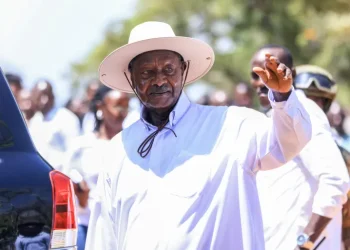

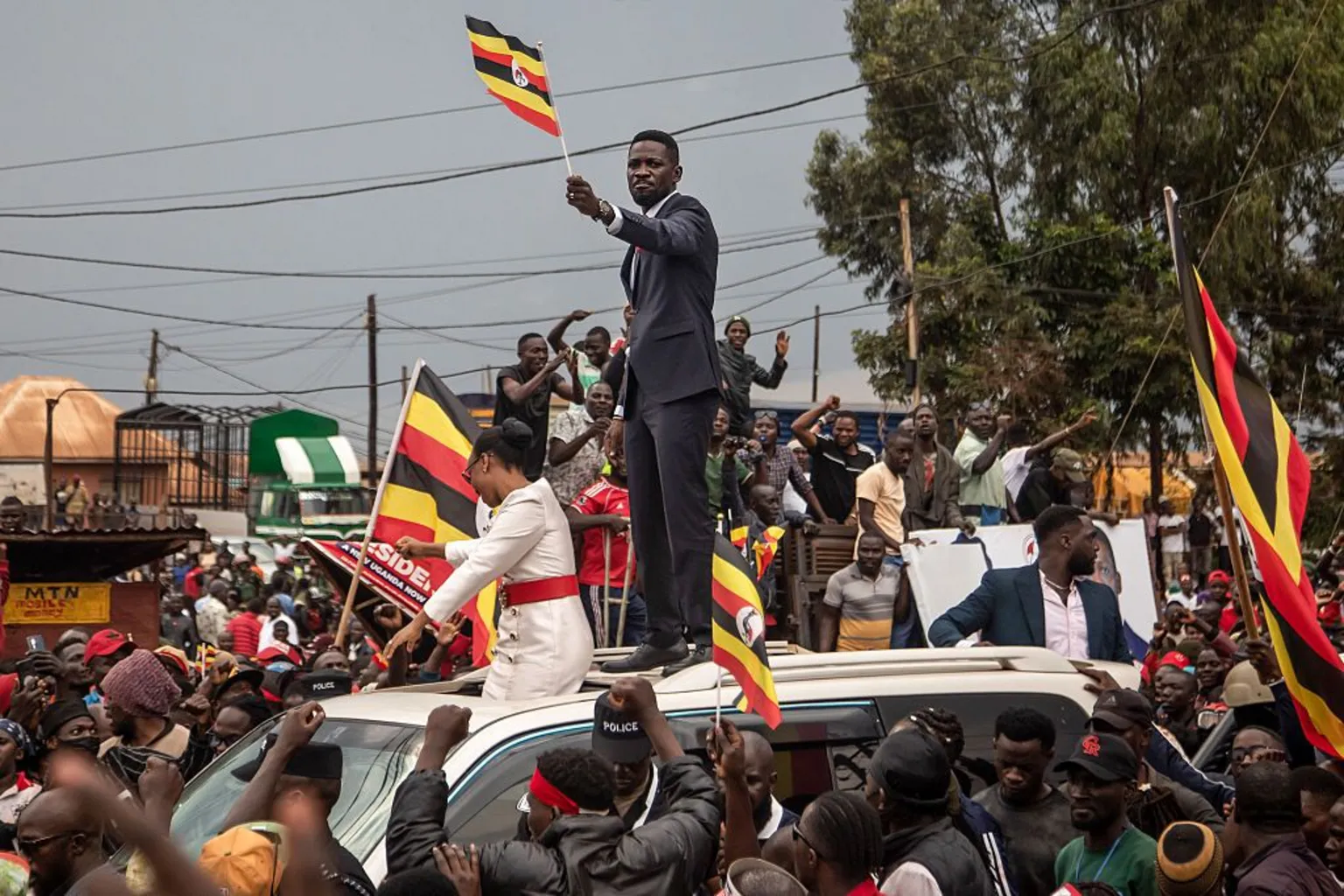
Bobi Wine, whose real name is Robert Kyagulanyi Ssentamu, has transformed from a beloved music star into one of the most formidable political leaders in Uganda. His charisma, tenacity, and authentic appeal have made him a symbol of resistance for millions of Ugandans, especially the country’s youth, who have long struggled under the weight of poverty, corruption, and the lack of job opportunities.
Bobi Wine’s political journey began with a commitment to speak out against the entrenched power structures in Uganda, particularly the leadership of President Yoweri Museveni, who has held power for over 40 years. In the 2026 election, Bobi Wine will challenge Museveni for the second time, aiming to bring about political transformation in a country that has been ruled by the same leader since 1986.
Despite facing immense challenges and repression from the Ugandan government, Bobi Wine remains a prominent voice for the disenfranchised and continues to advocate for the freedom and rights of Ugandans, particularly the youth. His vision for a democratic, accountable, and equitable Uganda has resonated deeply with citizens, many of whom are dissatisfied with the status quo under Museveni’s rule.
From Music to Politics: Bobi Wine’s Rise
Bobi Wine was born in the Kamwokya slums of Kampala, Uganda, and grew up experiencing firsthand the challenges faced by the underprivileged in the country. His upbringing in a modest family—raised by his mother, Margaret Nalunkuuma, a nurse, after his father passed away—shaped his deep understanding of the struggles faced by many Ugandans, particularly in impoverished areas. His father’s legacy as a political figure also played a role in shaping his worldview, though Bobi Wine grew up without significant wealth or political power.
As a teenager, Bobi Wine found his passion in music, which he used as a platform for social change. His unique genre, dubbed “edutainment”, blended entertainment with messages of social justice and political activism. His songs, often dealing with themes such as poverty, human rights, and empowerment, gained widespread popularity, especially among the younger population. Hits like “Situka” (meaning “rise up”) called on Ugandans to stand against oppression, positioning Bobi Wine as a musical revolutionary.
His powerful lyrics and stage presence resonated with many, and he earned the nickname “Ghetto President” for his connection to the people, especially the marginalized youth. With a huge following, Bobi Wine didn’t just use his platform for music—he used it as a tool for political awakening. He stood firm on the belief that Uganda’s youth had the power to bring about the change they wanted to see, and he was determined to mobilize them.
Political Transition: From Pop Star to Political Leader
Bobi Wine’s transition from music to politics began in earnest in 2017, when he won the Kyadondo East by-election in 2017 as an independent candidate. He contested the election against seasoned politicians, including candidates from the ruling National Resistance Movement (NRM), Museveni’s party, and FDC, the main opposition party. His overwhelming victory—securing more than five times the votes of his NRM opponent—marked a decisive shift for Bobi Wine. This was not just a political victory; it was a revolutionary moment for Uganda’s political landscape.
From there, Bobi Wine took his political activism further by founding the People Power Movement, a non-partisan pressure group that called for democratic reforms, accountability, and improved governance. His group’s iconic red beret became a symbol of defiance against Museveni’s rule. Bobi Wine’s critics quickly labeled him a political threat, and the regime made it clear that they would not tolerate his growing influence.
Despite widespread political repression and the violent crackdown on his supporters, Bobi Wine pressed forward. He was detained on multiple occasions, accused of inciting violence and disrupting the peace—charges that he and his supporters decried as politically motivated. His resilience in the face of these challenges only solidified his status as a champion of the people, and he became a prominent figure in Uganda’s ongoing battle for democratic reform.
The 2021 Presidential Election: A Contested Victory
In 2021, Bobi Wine decided to take on Museveni in the presidential election. Despite government repression, violent attacks on his supporters, and electoral fraud, Bobi Wine continued to push for a fair and free election. The election was marred by reports of vote-rigging, intimidation, and violence, including the shooting of Bobi Wine and the deaths of many of his supporters.
Although Bobi Wine lost the election to Museveni, the result was widely seen as controversial, and Bobi Wine gained 35% of the vote, a significant showing against the incumbent. His popularity surged during the campaign, and his message of youth empowerment, human rights, and democratic governance resonated with millions of Ugandans.
Bobi Wine’s story also caught the attention of the international community. The National Geographic documentary, “Bobi Wine: The People’s President,” which followed his journey and highlighted the challenges he faced during his presidential bid, was widely praised and earned an Oscars nomination. This global recognition further solidified Bobi Wine’s position as not only a political leader but a symbol of resistance.
Bobi Wine’s Campaign for the 2026 Election: A Message of Liberation
As Bobi Wine heads into the 2026 presidential election, he has remained steadfast in his mission to bring about change in Uganda. His National Unity Platform (NUP), the political party that emerged from his People Power Movement, continues to be a major force in Uganda’s political scene. In the run-up to the election, Bobi Wine has traveled across the country, meeting with citizens, listening to their concerns, and mobilizing voters.
His campaign platform focuses on issues that resonate deeply with Ugandans: youth unemployment, corruption, inequality, and the redistribution of wealth. Bobi Wine’s message is clear: Uganda needs a leader who represents the people, not the elite. He has positioned himself as a leader who is committed to social justice, human rights, and ending the monopoly on power that has defined Museveni’s four-decade rule.
But Bobi Wine’s campaign is not without risks. Despite the growing youth support, the Ugandan government continues to hold considerable power, especially through the military, which remains influential in Ugandan politics. Bobi Wine, who lacks the military or ministerial experience of Museveni, faces an uphill battle in overcoming the entrenched system. However, he remains confident, saying, “Uganda has been ready for a civilian leader for many years.”
Challenges Ahead: Military Influence and Election Integrity
While Bobi Wine’s grassroots support is significant, there are concerns that Uganda’s military establishment might resist a transition to civilian rule. The Ugandan military has played a key role in politics since Museveni’s 1986 rise to power, and some believe that Bobi Wine’s lack of military ties could be a barrier to his leadership.
Despite these challenges, Bobi Wine remains resolute. He argues that Uganda’s constitution mandates that the military should be subordinate to civilian authority, and he believes the time for a civilian-led government has come. Bobi Wine insists, “This election is about liberation—it is about freedom and asserting our voices as the people of Uganda.”
The Future of Uganda’s Political Landscape
As Uganda approaches the 2026 presidential election, the stakes have never been higher. Bobi Wine represents hope for those disillusioned by Museveni’s long rule and is leading a movement that demands change. His challenge to Museveni is more than just an electoral contest; it’s a fight for freedom, democracy, and the future of Uganda’s youth.
The outcome of this election will determine whether Uganda continues down the path of authoritarian rule or whether it will embrace the democratic values that Bobi Wine and his supporters champion. For now, Bobi Wine’s campaign is about much more than just winning—it’s about empowering Ugandans, particularly the youth, and giving them the voice they have long been denied. The world will be watching as this revolutionary leader continues his fight to reshape Uganda’s political future.