
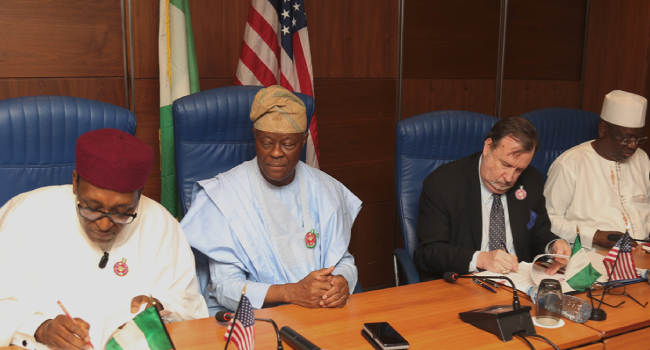
In a landmark development for both Nigeria and the United States, the two nations have signed a five-year Memorandum of Understanding (MOU) worth $5.1 billion to enhance Nigeria’s health systems. The agreement, which was finalized in December 2025, reflects a deepening commitment by both countries to tackle global health challenges, strengthen healthcare infrastructure, and promote shared responsibility for improving health outcomes.
The partnership is part of the broader America First Global Health Strategy, a U.S. initiative aimed at advancing health security worldwide while aligning with the U.S. national interest. Through this MOU, the United States will provide $2.1 billion in health assistance over the next five years, with Nigeria matching this commitment by investing nearly $3 billion in domestic health expenditures.
This collaboration aims to address critical health issues facing Nigeria, including maternal and child mortality, the high burden of malaria, HIV/AIDS, tuberculosis (TB), and the eradication of polio. By combining financial resources with strategic interventions, the MOU sets the stage for a more resilient and self-reliant health system in Nigeria.
Key Components of the $5.1 Billion Health Cooperation
The MOU covers a wide range of health-related initiatives, with the ultimate goal of strengthening Nigeria’s health infrastructure and improving the overall health outcomes of its population. Here are the primary components of the agreement:
1. Expansion of Healthcare Access
Under this partnership, the United States will help Nigeria expand access to essential healthcare services. This will include scaling up efforts to provide preventive and curative care for diseases such as HIV/AIDS, malaria, tuberculosis, polio, and maternal and child health. These diseases continue to have a devastating impact on the health and wellbeing of Nigerians, and this MOU aims to make significant strides in addressing these pressing challenges.
2. Focus on Faith-Based Healthcare Providers
A unique aspect of this agreement is the emphasis on supporting Christian faith-based healthcare providers in Nigeria. These organizations play an integral role in delivering healthcare services to underserved populations, particularly in rural and remote areas. Nigeria’s more than 900 faith-based clinics and hospitals serve around 30% of the country’s population, and the United States has committed approximately $200 million to enhance their capacity.
This investment will provide training, improve workforce capacity, and expand access to HIV, TB, malaria, and maternal health services within faith-based healthcare facilities. These institutions are vital in filling the gaps left by the public healthcare sector, particularly in areas where government-run hospitals are either non-existent or underfunded.
3. Strengthening Health Surveillance and Outbreak Response
The MOU also outlines the U.S.’s ongoing commitment to supporting Nigeria’s health surveillance systems and outbreak response mechanisms. Nigeria has faced significant challenges in controlling outbreaks of diseases like Ebola and Lassa fever, and strengthening its ability to respond to these threats is a top priority.
The partnership includes funding for the development of laboratory systems, data collection frameworks, and rapid response teams to detect and control outbreaks. This will enable Nigeria to not only manage current health threats but also be better prepared for future emergencies.
4. Expanding Maternal and Child Health Services
Nigeria faces some of the highest maternal and child mortality rates in the world, and addressing this issue is a central focus of the U.S.-Nigeria health partnership. The MOU includes substantial resources to enhance maternal health services, including antenatal care, skilled birth attendance, and postnatal care. It also prioritizes improving child nutrition, immunization programs, and care for neonatal and infant health.
By investing in these areas, the MOU aims to significantly reduce maternal and child mortality in Nigeria, saving countless lives over the coming years.
5. Health System Strengthening and Capacity Building
The partnership is also focused on building a self-reliant health system in Nigeria. This will involve strengthening the country’s healthcare workforce, improving the management and supply chains of health services, and fostering innovation in Nigeria’s health sector. The Nigerian government has committed to domestic health expenditures totaling nearly $3 billion over the five-year period, with the goal of ensuring that Nigeria takes a leading role in the sustainability of its health systems.
Nigeria’s Commitment to Greater National Ownership
A key feature of the MOU is Nigeria’s commitment to greater national ownership of its health system. This is reflected in the country’s investment of nearly $3 billion over the course of the agreement. The Nigerian government recognizes that sustainable health reform must come from within, and this co-investment model is designed to support Nigeria’s efforts to improve its health infrastructure and build long-term resilience.
This model allows the Nigerian government to prioritize its own healthcare needs, while also benefiting from international support and expertise. It underscores the importance of building national capacity to ensure that Nigeria can continue to make progress even after the partnership concludes.
Addressing Religious Violence and Promoting Peace
In addition to its focus on health, the MOU also includes a key component related to religious violence in Nigeria. The United States has emphasized that the partnership will only continue as long as Nigeria remains committed to addressing religiously motivated violence, particularly against Christian communities. The U.S. has made it clear that its continued support depends on Nigeria’s progress in protecting religious minorities and ensuring that healthcare access is provided without discrimination.
This part of the agreement underscores the U.S.’s broader foreign policy goals in the region, which include promoting peace and religious freedom while ensuring that aid reaches those most in need, regardless of their faith.
A Model for Global Health Cooperation
This $5.1 billion MOU between Nigeria and the United States sets a historic precedent for global health cooperation. It is the largest co-investment by any country under the America First Global Health Strategy and represents a model for future partnerships aimed at building resilient healthcare systems across the world.
As the partnership unfolds, it will provide Nigeria with the resources needed to address critical health challenges while empowering the country to take greater ownership of its healthcare system. For the United States, this partnership serves as a cornerstone of its efforts to advance health security and improve global health outcomes, while also supporting its national interests.
A Stronger Health Future for Nigeria
The signing of the $5.1 billion MOU represents a transformational opportunity for Nigeria to build a stronger, more sustainable health system. Through this partnership, Nigeria will have the support it needs to tackle some of its most pressing health challenges, from malaria to maternal health and HIV/AIDS. As the collaboration continues over the next five years, it is expected to bring lasting improvements in the lives of millions of Nigerians, particularly the most vulnerable populations.
By focusing on building a self-reliant health system, empowering faith-based healthcare providers, and addressing critical health issues, Nigeria is taking a crucial step toward ensuring that its people have access to the healthcare services they need to live healthy, productive lives. The United States, in turn, remains committed to supporting these efforts, fostering shared responsibility in the fight for better global health outcomes.