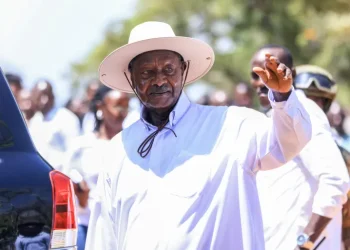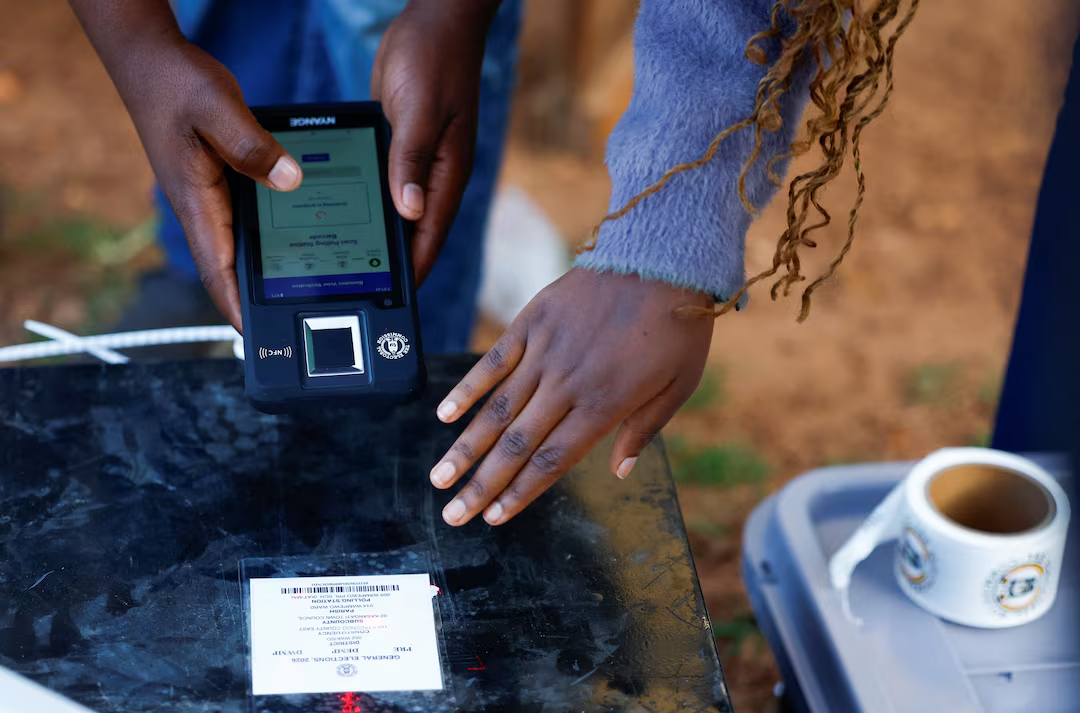
Ugandans went to the polls on Thursday in a tense national election widely seen as a test of President Yoweri Museveni’s grip on power after nearly four decades in office. The vote follows an often violent campaign marked by arrests, an internet shutdown, and strong warnings from the United Nations about repression and intimidation.
The election pits Museveni, 81, against seven challengers, including the popular singer-turned-politician Robert Kyagulanyi, widely known as Bobi Wine. While analysts expect Museveni to retain power, the contest has exposed deep political and generational divides in the East African nation.
Polls Open Under Heavy Security and Internet Restrictions
Polling stations opened in the capital Kampala under a heavy police presence. Security forces deployed across major towns and transport routes, reflecting fears of unrest linked to the vote.
Authorities shut down internet access nationwide on Tuesday and restricted mobile services. The government said the move aimed to curb misinformation and prevent election-related violence. Critics argued that the blackout limited transparency and hindered independent monitoring.
The UN Human Rights Office said the vote was taking place amid “widespread repression and intimidation.” It stressed that open access to information is essential for free and credible elections.
Museveni Seeks to Extend Rule Into a Fifth Decade
Museveni came to power in 1986 after leading a guerrilla war. Since then, he has reshaped Uganda’s political system and consolidated control over key institutions. Constitutional changes removed both presidential term limits and age limits, allowing him to remain in office.
During the campaign, Museveni promised to “protect the gains” of his long rule. He pledged to maintain peace and push Uganda toward middle-income status. His supporters credit him with stability in a volatile region.
Critics, however, accuse his government of weakening democratic institutions and silencing dissent.
Bobi Wine Channels Youth Anger and Economic Frustration
Bobi Wine, 43, has emerged as Museveni’s most formidable challenger. Known by supporters as the “Ghetto President,” he has built his campaign around opposition to what he calls Museveni’s dictatorship.
Wine has appealed strongly to young voters. Uganda has one of the world’s youngest populations, with an average age just over 16. High unemployment and limited economic opportunity remain central concerns.
Wine promised political reform and greater accountability. However, security forces repeatedly disrupted his campaign rallies. Authorities arrested hundreds of his supporters in the run-up to the vote.
Violence, Arrests, and Campaign Crackdowns
Security forces have opened fire at several of Wine’s campaign events. At least one person died during these incidents, according to rights groups. Hundreds of opposition supporters were arrested.
The government defended the security response. Officials said they acted against what they described as lawless behavior by opposition activists.
The UN Human Rights Office warned that intimidation of opposition figures, journalists, and activists had created a climate of fear ahead of the vote.
Voters Express Hope and Fatigue
At polling stations, some voters voiced frustration with Uganda’s long-standing political leadership. Casting his ballot in Kasangati township, a 45-year-old university researcher said leaders often cling to power for too long.
“If we vote for someone who cares, things will be better for Uganda,” he said, without naming a preferred candidate.
Such sentiments reflect a wider fatigue among voters who have known only one president for most of their lives.
Museveni’s Strategic Role on the Global Stage
Despite criticism at home, Museveni remains a key ally of Western governments. Uganda plays a central role in regional security, including military deployments in Somalia. The country also hosts large numbers of refugees from neighboring conflicts.
Economic prospects have strengthened in recent years. Analysts expect growth to accelerate when crude oil production begins later this year. Fields operated by TotalEnergies and CNOOC are expected to transform Uganda’s economy.
Supporters say these developments justify continuity in leadership. Critics argue that economic gains have not reached most citizens.
A History of Contested Elections
Museveni has faced repeated accusations of human rights abuses and election manipulation. His government has consistently denied those claims.
In the 2021 election, Museveni defeated Bobi Wine with 58 percent of the vote. The United States condemned that election as neither free nor fair. Security forces killed more than 50 opposition supporters in the lead-up to that vote.
Those memories continue to shape public anxiety during the current election.
What Comes Next for Uganda
More than 21.6 million Ugandans registered to vote. Voters are also choosing more than 500 members of parliament. Polls are due to close at 4 p.m., with results expected within 48 hours.
Attention now turns to vote counting and result transmission. Observers say Museveni’s ability to manage this phase without unrest will determine how his continued rule is viewed at home and abroad.
For many Ugandans, this election represents a defining moment. It tests not only Museveni’s strength, but also the resilience of Uganda’s democratic institutions.